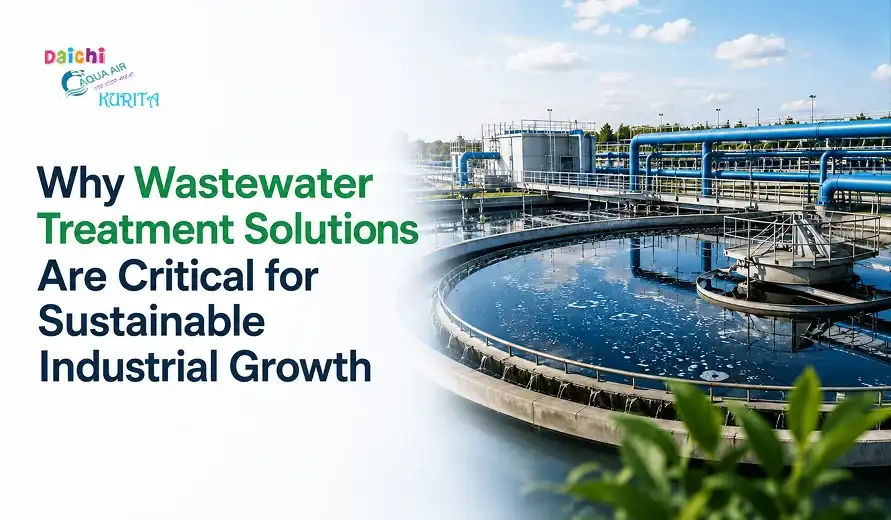
Water is one of the most valuable resources for every industry, yet many businesses produce large amounts of wastewater during daily operations. Manufacturing plants, food processing units, hotels, hospitals, textile factories, and chemical industries all need proper methods to handle used water before it is released or reused. Wastewater Treatment Solutions help businesses reduce pollution, meet environmental regulations, and make better use of available water resources. As industries continue to expand, proper wastewater handling has become an important part of long-term business planning, helping companies reduce unnecessary waste while supporting responsible growth.
Why Wastewater Treatment Solutions Matter for Modern Businesses
Businesses are expected to manage wastewater responsibly. Untreated water can contain chemicals, oils, suspended solids, organic matter, heavy metals, and other harmful substances that may damage rivers, lakes, groundwater, and nearby communities.
Using proper treatment methods helps businesses reduce environmental impact while maintaining compliance with government regulations. Companies that ignore wastewater treatment may face legal penalties, production delays, higher operating costs, and damage to their reputation.
Modern businesses also understand that responsible water use supports long-term stability. Clean water is becoming more valuable, making proper treatment an important investment rather than just a regulatory requirement.
Smart Wastewater Treatment Solutions Help Reduce Water Waste
Freshwater supplies are under increasing pressure due to population growth and industrial demand. Businesses that consume large amounts of water are searching for practical ways to reduce consumption without affecting production.
Modern treatment facilities allow treated water to be reused for several purposes, including:
- Cooling systems
- Boiler operations after additional treatment
- Landscape irrigation
- Equipment cleaning
- Floor washing
- Industrial processing
Water recycling lowers dependence on fresh water while reducing water procurement costs. Many businesses also become better prepared for seasonal water shortages by using treated water whenever possible.
The Role of Industrial Wastewater Treatment in Business Operations
Every industry produces wastewater with different characteristics. Manufacturing plants, pharmaceutical companies, textile factories, and food processing units all generate wastewater that requires proper treatment before discharge.
Industrial Wastewater Treatment removes harmful contaminants through physical, chemical, and biological processes. The treatment process depends on the type of industry and the nature of pollutants found in the wastewater.
Proper treatment protects nearby water bodies while helping businesses comply with environmental standards. It also reduces risks associated with untreated industrial discharge.
Companies that invest in advanced treatment methods often experience fewer operational disruptions caused by environmental compliance issues.
How Modern Wastewater Treatment Systems Improve Daily Operations
Traditional treatment methods often depend heavily on manual monitoring. Modern Wastewater Treatment Systems use automated controls and continuous monitoring to improve overall system performance.
Sensors monitor important water quality parameters such as:
- pH levels
- Temperature
- Flow rate
- Dissolved oxygen
- Chemical concentration
- Turbidity
Continuous monitoring allows operators to identify small problems before they become major failures.
Automatic alerts also reduce the chances of equipment damage by notifying maintenance teams whenever unusual operating conditions occur.
This approach helps businesses maintain stable treatment performance throughout daily operations.
The Importance of Industrial Water Treatment for Sustainable Manufacturing
Many manufacturing industries require large quantities of clean water during production. Industrial Water Treatment supports production quality by preparing water for boilers, cooling towers, washing systems, and manufacturing processes.
Poor water quality may lead to scaling, corrosion, equipment damage, and reduced production efficiency.
Proper treatment extends equipment life while lowering maintenance requirements. Businesses also reduce unnecessary water losses by maintaining better water quality throughout production processes.
Water conservation has become an important part of responsible industrial operations, making proper treatment increasingly valuable.
Why Every Business Should Consider an Effluent Treatment Plant
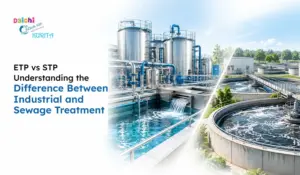
An Effluent Treatment Plant treats wastewater before it leaves an industrial facility. The primary purpose is to remove harmful contaminants so discharged water meets environmental standards.
Treatment usually involves several stages, including:
- Screening
- Sedimentation
- Chemical treatment
- Biological treatment
- Filtration
- Final disinfection when required
The exact process depends on the type of wastewater being treated.
Businesses using properly designed treatment plants reduce pollution while maintaining compliance with local discharge regulations.
Many industries also recover reusable water after treatment, helping reduce freshwater consumption.
Choosing Suitable Water Treatment Solutions for Different Industries
Every business has different operational requirements, making system selection an important decision. Suitable Water Treatment Solutions depend on several factors, including wastewater volume, contaminant levels, production capacity, and future expansion plans.
Industries that commonly require advanced treatment include:
- Textile manufacturing
- Food and beverage processing
- Pharmaceutical production
- Chemical industries
- Hotels
- Hospitals
- Commercial buildings
- Automobile manufacturing
Selecting the right treatment process helps businesses maintain stable operations while reducing unnecessary expenses.
Professional planning also supports future production growth without requiring complete replacement of the treatment facility.
Better Wastewater Management Supports Long-Term Growth
Proper Wastewater Management involves much more than treating wastewater before disposal. It includes reducing water waste, improving recycling opportunities, monitoring system performance, and maintaining treatment equipment.
Businesses that actively manage wastewater often experience several long-term advantages, including:
- Lower water consumption
- Reduced operating expenses
- Better regulatory compliance
- Improved environmental responsibility
- Reduced equipment failures
- Greater water reuse opportunities
Regular monitoring also allows maintenance teams to identify problems before they interrupt production.
Well-managed treatment facilities help businesses maintain stable daily operations while protecting nearby natural resources.
Lower Operating Costs Through Smarter Water Use
Many businesses assume advanced wastewater treatment always increases operating expenses. In reality, modern systems often reduce long-term costs.
Automated monitoring helps control chemical usage more accurately, while energy-efficient equipment reduces electricity consumption.
Water recycling also lowers freshwater purchasing costs.
Additional savings may result from:
- Reduced equipment maintenance
- Lower chemical consumption
- Fewer emergency repairs
- Reduced manual inspections
- Longer equipment life
Over several years, these savings may offset the initial investment required for treatment infrastructure.
Environmental Responsibility Builds Customer Confidence
Customers, investors, and business partners increasingly pay attention to environmental responsibility.
Businesses that manage wastewater properly demonstrate a commitment to responsible operations. This supports stronger relationships with regulatory authorities, nearby communities, and commercial partners.
Environmental responsibility also reduces the risk of pollution-related incidents that could damage public trust.
Companies that follow responsible water management practices are generally better prepared for changing environmental regulations in the future.
Preparing for Future Water Challenges
Water demand continues to increase across many industries. Population growth, expanding manufacturing activities, and changing weather conditions place additional pressure on freshwater supplies.
Businesses that plan ahead by improving wastewater treatment are better prepared for future water shortages and stricter environmental requirements.
Modern treatment methods support water conservation while helping industries continue operating with greater confidence during periods of limited water availability.
Planning allows businesses to protect production while reducing pressure on natural water resources.
Conclusion
Wastewater Treatment Solutions provide businesses with a practical way to reduce pollution, conserve water, comply with environmental regulations, and support sustainable growth. Proper treatment helps industries reduce operating costs, improve water reuse, protect equipment, and manage wastewater responsibly. As water resources become increasingly valuable, businesses that invest in modern treatment methods will be better prepared for future environmental challenges while supporting long-term operational success.
FAQ
What are Wastewater Treatment Solutions?
Wastewater Treatment Solutions are processes and systems used to remove contaminants from wastewater before it is reused or safely discharged. They help businesses comply with environmental regulations while reducing water pollution.
Why is Industrial Wastewater Treatment important?
Industrial Wastewater Treatment helps remove harmful chemicals, oils, suspended solids, and other pollutants from industrial wastewater. This protects natural water sources and helps businesses meet legal discharge standards.
How do Wastewater Treatment Systems help reduce costs?
Wastewater Treatment Systems support water reuse, reduce freshwater consumption, lower maintenance expenses, and improve operational efficiency, which can reduce long-term operating costs.
What is the purpose of an Effluent Treatment Plant?
An Effluent Treatment Plant treats industrial wastewater before it is released into the environment or reused. It removes contaminants through different treatment stages to meet environmental requirements.
How does Wastewater Management support sustainable business growth?
Wastewater Management helps businesses conserve water, reduce environmental impact, improve regulatory compliance, and make better use of available water resources, supporting long-term sustainable growth.