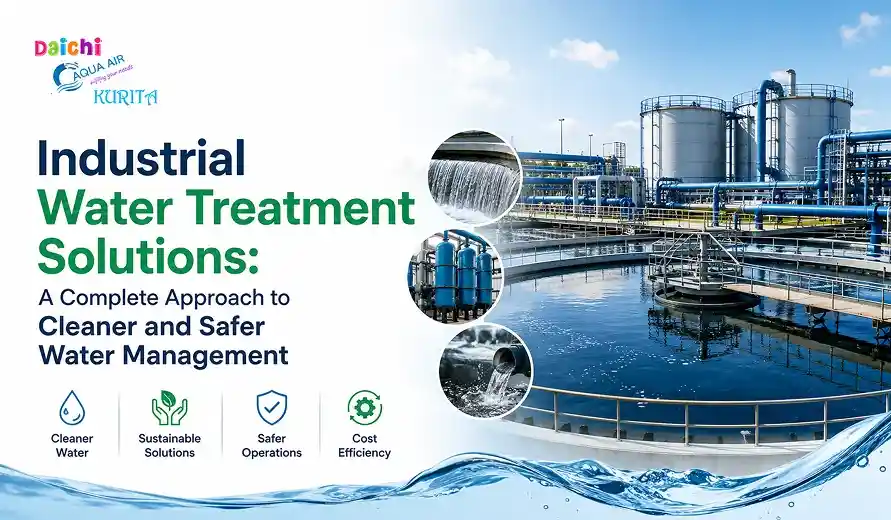
Water quality plays a major role in industrial operations, affecting manufacturing processes, equipment performance, and environmental safety. Industrial Water Treatment Solutions help businesses manage water resources by removing impurities, treating wastewater, and preparing water for different industrial applications. Industries such as pharmaceuticals, food processing, chemicals, textiles, and power generation require proper water management systems to maintain production standards and reduce environmental impact. With increasing demand for responsible water usage, advanced treatment methods have become an important part of industrial operations.
Understanding Industrial Water Treatment Solutions
Industrial Water Treatment Solutions are designed to treat, recycle, and manage water used in industrial facilities. These solutions involve multiple treatment processes that remove unwanted substances such as dissolved minerals, chemicals, suspended particles, and biological contaminants.
Industrial facilities use water for various activities, including production, cleaning, cooling, and processing. During these activities, water can collect impurities that may affect machinery, product quality, and wastewater discharge. Proper treatment helps industries maintain suitable water conditions for their operations.
Different treatment methods are selected according to the type of industry, water quality, and operational requirements. A food processing unit may require different treatment methods compared to a chemical manufacturing facility. Therefore, industries select systems based on their water usage and treatment goals.
Importance of Industrial Water Treatment Solutions in Modern Industries
Industrial Water Treatment Solutions help industries maintain better control over their water resources while reducing problems caused by untreated water. Poor water quality can lead to scaling, corrosion, equipment damage, and production difficulties.
Industrial machinery often depends on clean water for smooth functioning. Minerals and unwanted substances present in untreated water can create deposits inside pipes, boilers, and cooling systems. Water treatment reduces these problems and supports better equipment operation.
Wastewater management is another important area where industries require proper treatment systems. Industrial wastewater may contain chemicals, organic materials, and other pollutants that must be removed before disposal or reuse. Proper treatment helps industries follow environmental standards and reduce pollution risks.
Types of Industrial Water Treatment Systems
Different industries require different treatment approaches depending on their operational needs. Industrial Water Treatment Systems include various technologies designed to improve water quality and manage wastewater effectively.
Reverse Osmosis and Industrial RO Plant Solutions
An Industrial RO Plant uses a membrane filtration process to remove dissolved salts, minerals, and impurities from water. Reverse osmosis systems are widely used in industries where purified water is required for manufacturing and processing activities.
Pharmaceutical companies, food industries, and electronic manufacturing units often use RO technology because these sectors require controlled water quality. These systems help produce purified water suitable for industrial applications.
Wastewater Treatment Solutions for Industrial Applications
Wastewater Treatment Solutions are developed to remove harmful substances from industrial wastewater before discharge or reuse. These systems may include physical, chemical, and biological treatment methods.
Industries such as textiles, chemicals, and manufacturing units produce wastewater containing different pollutants. Treatment plants help separate contaminants and prepare wastewater for safe disposal or recycling.
Water Treatment Plant Solutions for Large Facilities
Large industrial facilities often require complete Water Treatment Plant Solutions to handle high volumes of water. These plants combine different treatment stages, including filtration, chemical processing, and purification methods.
A properly designed treatment plant helps industries maintain water quality throughout their operations. It also supports better water reuse practices and reduces dependency on fresh water sources.
Role of Water Purification Systems in Industrial Operations
Water Purification Systems help remove impurities from water and prepare it for industrial processes. These systems may include filtration units, membrane technologies, and purification equipment based on specific requirements.
Clean water is important for industries where product quality depends on water purity. For example, pharmaceutical and food processing companies require treated water to maintain hygiene and production standards.
Water purification systems also protect industrial equipment by reducing contamination-related issues. When water quality is maintained properly, machinery faces fewer problems caused by mineral deposits and impurities.
Key Components of Industrial Water Treatment Systems
An industrial treatment setup includes several components that work together to maintain water quality.
Pre-Treatment Units
Pre-treatment systems remove larger particles, sediments, and suspended materials before water enters advanced treatment stages. This process helps protect filtration membranes and other sensitive equipment.
Filtration Systems
Filtration units remove physical impurities from water. Different filters are used depending on the type of contaminants present. Sand filters, carbon filters, and multimedia filters are common options used in industrial applications.
Chemical Treatment Processes
Chemical treatment helps control problems such as corrosion, scaling, and microbial growth. Proper chemical management supports stable water conditions in industrial systems.
Membrane Treatment Technology
Membrane-based systems, including reverse osmosis and ultrafiltration, provide advanced purification by separating unwanted materials from water.
Monitoring Equipment
Water quality monitoring systems check important parameters such as pH levels, dissolved solids, and contamination levels. Regular monitoring helps operators maintain proper treatment performance.
Benefits of Industrial Water Management Solutions
Industrial Water Management Solutions help businesses use water resources more responsibly while maintaining operational requirements. Effective water management includes treatment, recycling, and controlled water usage.
Reduced Equipment Damage
Treated water reduces issues caused by scaling, corrosion, and deposits. This helps protect industrial machinery and reduces frequent repair needs.
Better Water Recycling
Many industries reuse treated water for cleaning, cooling, and other applications. Recycling reduces water consumption and supports sustainable industrial practices.
Improved Product Standards
Water quality can directly affect manufacturing processes. Proper treatment helps industries maintain consistent production standards.
Environmental Protection
Wastewater treatment reduces the release of harmful materials into natural water sources. Responsible treatment practices support cleaner industrial operations.
Industries That Require Industrial Water Treatment Solutions
Many sectors depend on Industrial Water Treatment Solutions for daily activities and production processes.
Pharmaceutical Industry
Pharmaceutical manufacturing requires highly purified water for production, cleaning, and testing. Water treatment systems help maintain strict quality requirements.
Food and Beverage Industry
Food processing companies use treated water for ingredient preparation, cleaning, and manufacturing. Proper treatment supports hygiene and product safety.
Textile Industry
Textile production creates wastewater containing dyes and chemicals. Treatment systems help remove these substances before disposal.
Power Generation Industry
Power plants use treated water for cooling systems and boiler operations. Proper water management helps maintain equipment performance.
Chemical Industry
Chemical industries handle different materials that can affect water quality. Treatment solutions help manage wastewater and reduce environmental impact.
Factors to Consider Before Selecting Water Treatment Systems
Choosing the right treatment system requires careful evaluation of several factors.
Water Quality Testing
Testing water quality helps identify impurities and determine suitable treatment methods. The system selection depends on the type and level of contamination.
Industrial Water Requirements
Every industry has different water requirements. The selected system should match production processes and operational needs.
Treatment Capacity
Industries should select systems according to their daily water consumption and wastewater generation. Proper capacity planning helps maintain smooth operations.
Maintenance Requirements
Regular maintenance is important for long-term system performance. Cleaning, inspection, and servicing help keep treatment equipment working properly.
Environmental Standards
Industries must follow wastewater treatment regulations and discharge guidelines. Proper treatment systems help businesses meet these requirements.
Future of Industrial Water Management
Industries are focusing more on water conservation, recycling, and responsible wastewater handling. Growing environmental concerns and increasing water demand are encouraging businesses to adopt advanced treatment practices.
Modern Industrial Water Management Solutions focus on reducing waste, improving recycling methods, and maintaining better control over water resources. As industries continue to grow, efficient water treatment will remain an important part of sustainable industrial operations.
Conclusion
Industrial Water Treatment Solutions provide industries with practical methods to manage water quality, reduce wastewater concerns, and support responsible resource usage. From filtration systems and reverse osmosis plants to complete treatment facilities, businesses can choose suitable solutions according to their operational needs.
Proper water treatment helps protect equipment, maintain production quality, and support environmental responsibility. With the right approach to water management, industries can create cleaner operations while using water resources more efficiently.
FAQ
What are Industrial Water Treatment Solutions?
Industrial Water Treatment Solutions are systems and processes designed to remove impurities, chemicals, minerals, and contaminants from water used in industrial operations. These solutions help industries maintain water quality, treat wastewater, and support responsible water usage.
Why do industries need Industrial Water Treatment Systems?
Industries need Industrial Water Treatment Systems to maintain clean water quality, protect machinery from scaling and corrosion, reduce wastewater problems, and support better production processes. These systems help manage water used in manufacturing and other industrial activities.
How does an Industrial RO Plant work?
An Industrial RO Plant uses a membrane-based filtration process to remove dissolved salts, minerals, and impurities from water. It produces purified water suitable for industries that require controlled water quality for production and processing.
What industries use Wastewater Treatment Solutions?
Industries such as pharmaceuticals, food and beverage, textiles, chemicals, power generation, and manufacturing use Wastewater Treatment Solutions to remove pollutants from wastewater before disposal or reuse.
How do Water Purification Systems help industrial businesses?
Water Purification Systems remove unwanted substances from water and prepare it for industrial applications. They help maintain water quality, protect equipment, support production requirements, and encourage better water management practices.