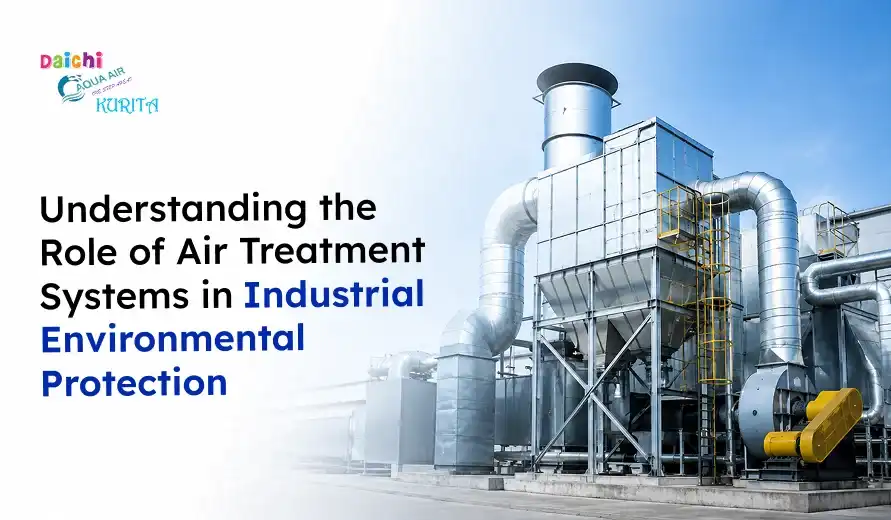
Industrial operations are essential for economic development, but they can also produce dust, fumes, gases, and airborne contaminants that affect the environment. Air Treatment Systems help industries manage these pollutants by cleaning industrial air streams before harmful substances are released into the atmosphere. These systems support better workplace conditions, reduce environmental impact, and help industries follow air quality regulations. From manufacturing plants to chemical processing units, proper air treatment methods play an important role in maintaining cleaner industrial environments.
What Are Air Treatment Systems?
Air Treatment Systems are industrial solutions designed to remove unwanted particles, gases, odors, and other contaminants from air generated during industrial processes. These systems use different filtration and treatment methods depending on the type of pollutants produced by a facility.
Industries such as manufacturing, pharmaceuticals, food processing, chemical production, and power generation often require specialized air treatment equipment. These systems collect polluted air, remove harmful substances, and release cleaner air back into the environment.
The main objective of Air Treatment Systems is to reduce industrial emissions while maintaining safe working conditions. By controlling pollutants at their source, industries can reduce their effect on employees, machinery, and surrounding areas.
Importance of Air Treatment Systems in Industrial Environmental Protection
Industrial pollution can create serious challenges when dust particles, chemical vapors, and harmful gases are released without proper control. Air Treatment Systems help industries reduce these emissions and maintain cleaner air quality.
Factories using suitable treatment methods can manage airborne pollutants generated during production activities. These systems help control smoke, particulate matter, chemical fumes, and other contaminants that may affect environmental conditions.
Environmental protection in industrial areas depends on proper pollution management practices. Along with protecting outdoor air quality, these systems also help create healthier indoor environments for workers.
How Industrial Air Treatment Solutions Help Control Pollution
Industrial Air Treatment Solutions are developed to manage different types of pollutants produced during industrial operations. These solutions include filtration systems, dust collectors, scrubbers, and gas treatment equipment.
The working process begins with collecting contaminated air from production areas. The collected air passes through specialized treatment units where dust particles, gases, and other pollutants are removed.
Different industries require different treatment approaches. A factory producing fine dust may need advanced filtration, while a chemical plant may require gas removal technology. Selecting the right solution depends on the nature of industrial emissions and production requirements.
Role of Air Pollution Control Systems in Industries
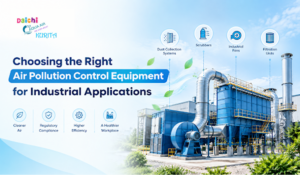
Air Pollution Control Systems help industries reduce harmful emissions and maintain compliance with environmental standards. These systems are commonly installed in facilities where production processes generate significant air pollutants.
Dust collectors, scrubbers, filters, and emission control units are examples of technologies used for industrial pollution management. They capture pollutants before they spread into the environment.
Industries using proper pollution control methods can reduce their environmental impact while maintaining efficient production processes. These systems are widely used in sectors such as metal processing, chemical manufacturing, cement production, and energy generation.
Types of Industrial Air Purification Systems
Industrial Air Purification Systems are designed to remove contaminants from industrial air and improve overall air conditions. Different purification methods are selected according to pollutant type and industry needs.
Mechanical Filtration Systems
Mechanical filters remove solid particles such as dust, fibers, and other airborne materials. These systems are commonly used in manufacturing facilities where dust generation is a regular part of production.
Gas Treatment Systems
Gas treatment systems are used when industrial processes release chemical gases or vapors. These systems use different methods to capture or neutralize harmful substances before air discharge.
Activated Carbon Filtration
Activated carbon filters help remove odors and certain chemical compounds from industrial air. They are useful in industries where air contains organic vapors or unpleasant smells.
Wet Scrubbing Systems
Wet scrubbers use liquid solutions to remove gases and particles from industrial air streams. They are often used in industries dealing with chemical emissions.
Importance of Industrial Air Filtration Equipment
Industrial Air Filtration Equipment plays a major role in maintaining clean air within industrial facilities. These systems capture airborne particles and prevent them from circulating throughout production areas.
Proper filtration reduces the amount of dust and contaminants present in the workplace. This supports safer conditions for employees and helps protect sensitive industrial machinery.
Regular maintenance of filtration equipment is necessary for consistent operation. Filter replacement, cleaning, and system inspections help maintain proper air treatment performance.
Air Quality Management Solutions for Industrial Facilities
Air Quality Management Solutions help industries monitor and control pollution levels within their facilities. These solutions combine air treatment equipment with monitoring methods to maintain suitable air conditions.
Effective air quality management includes identifying pollution sources, selecting suitable treatment methods, and regularly checking system performance.
Industries can use these solutions to improve workplace conditions and maintain better environmental practices. Proper planning ensures that air treatment systems match the specific requirements of each facility.
Benefits of Environmental Protection Technologies in Air Management
Environmental Protection Technologies help industries reduce their impact on nature by controlling harmful emissions. Air treatment solutions are an important part of these technologies because they address pollution at its source.
The major benefits of industrial air treatment include:
Reduced Airborne Pollution
Air treatment equipment removes harmful particles and gases before they enter the atmosphere. This helps reduce pollution levels around industrial areas.
Improved Workplace Safety
Cleaner air creates better working conditions for employees. Removing dust, smoke, and chemical fumes reduces exposure to harmful substances.
Protection of Machinery
Airborne contaminants can damage industrial equipment over time. Proper filtration reduces particle buildup and helps maintain machinery performance.
Compliance With Environmental Regulations
Industries must follow emission control standards established by environmental authorities. Air treatment systems help businesses meet these requirements through proper pollution management.
Factors to Consider Before Installing Air Treatment Systems
Choosing the right air treatment system requires understanding the type of pollutants produced by industrial activities. Dust, gases, odors, and chemical emissions each require different treatment methods.
Facility size, airflow requirements, operating conditions, and maintenance needs should also be considered before installation. A properly selected system provides better results and supports long-term industrial requirements.
Energy consumption is another important factor. Industries should select systems that provide suitable air treatment while maintaining reasonable operating costs.
Future Role of Air Treatment Systems in Industrial Sustainability
Industrial growth continues to increase the demand for cleaner production methods. Air Treatment Systems will remain an important part of environmental protection strategies as industries focus on reducing emissions.
Modern air treatment technologies are becoming more advanced with improved monitoring and control features. These developments help industries manage air quality more accurately and maintain better pollution control practices.
As environmental standards become stricter, industries will continue adopting advanced air treatment solutions to support cleaner operations and responsible environmental management.
Final Words
Air Treatment Systems are essential for controlling industrial pollution and protecting environmental quality. They help remove dust, gases, fumes, and other harmful substances generated during industrial processes.
Industries using suitable air treatment methods can create safer workplaces, protect equipment, and reduce their environmental impact. From Industrial Air Treatment Solutions to advanced filtration and purification methods, these systems provide important support for cleaner industrial operations.
With growing demand for sustainable practices, air treatment technologies will continue to play a major role in industrial environmental protection and responsible pollution management.
FAQ
What are Air Treatment Systems used for in industries?
Air Treatment Systems are used to remove dust, gases, fumes, odors, and other airborne pollutants generated during industrial activities. They help maintain cleaner air, protect workers, and reduce environmental pollution.
How do industrial air treatment solutions help control pollution?
Industrial Air Treatment Solutions collect and treat polluted air before it is released into the environment. They use filtration, gas treatment, and purification methods to reduce harmful emissions from industrial processes.
Why are Air Pollution Control Systems important for factories?
Air Pollution Control Systems help factories manage harmful emissions and meet environmental standards. They reduce the release of dust particles, chemical gases, and other pollutants that can affect air quality.
What industries require industrial air purification systems?
Industries such as manufacturing, pharmaceuticals, chemical processing, food production, metal processing, and power generation use Industrial Air Purification Systems to maintain cleaner working environments.
How does industrial air filtration equipment improve workplace conditions?
Industrial Air Filtration Equipment removes airborne particles and contaminants from factory environments. This helps create safer workplaces, protects machinery, and supports better air quality management.