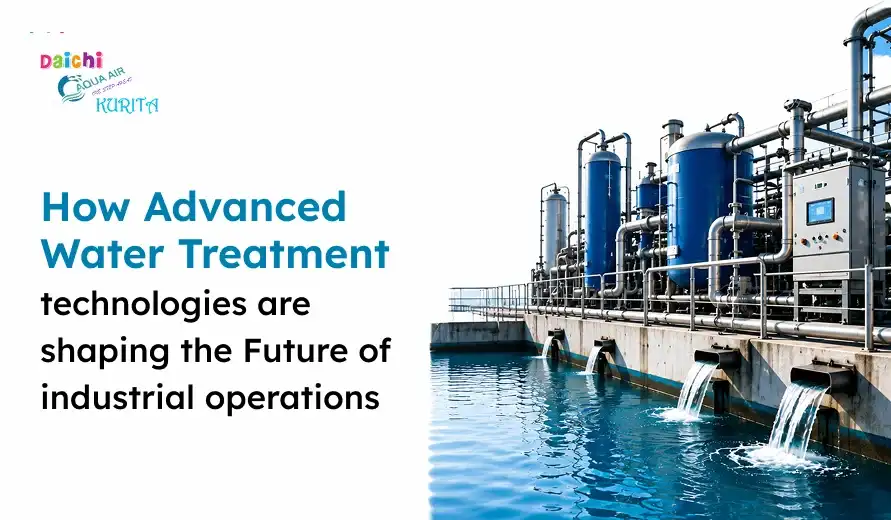
Industries worldwide rely on water for manufacturing, processing, cooling, cleaning, and several other essential activities. However, growing water shortages, strict environmental regulations, and increasing operational challenges have created the need for smarter water management methods. Advanced Water Treatment Technologies are helping industries improve water quality, reduce waste, and create more sustainable operational practices.
Modern industrial facilities require advanced solutions that can manage complex contaminants, support water reuse, and maintain efficient production processes. From manufacturing plants to chemical, pharmaceutical, and food processing units, innovative treatment methods are changing the way industries approach water management.
These technologies are becoming a critical part of industrial planning by helping businesses protect resources, improve efficiency, and meet environmental responsibilities.
The Importance of Advanced Water Treatment Technologies in Modern Industries
Industrial processes generate wastewater containing chemicals, oils, heavy metals, suspended particles, and other pollutants. Without proper treatment, these contaminants can create environmental problems and affect compliance with industry regulations.
Traditional treatment methods are useful for basic water cleaning, but many industries now require more advanced solutions due to complex wastewater compositions. Advanced Water Treatment Technologies provide improved methods for removing contaminants and recovering usable water from industrial processes.
Modern Industrial Water Treatment Solutions help companies:
- Reduce freshwater dependency
- Improve wastewater quality
- Increase water reuse opportunities
- Maintain production standards
- Support environmental responsibility
- Reduce operational challenges
As industries continue to grow, efficient water management has become an important factor in maintaining sustainable and productive operations.
How Advanced Water Treatment Technologies Improve Industrial Water Management
The development of advanced treatment methods has changed how industries handle water resources. These technologies combine physical, chemical, biological, and digital processes to achieve better treatment performance.
Modern Water Treatment Systems for Industries are designed to address specific operational requirements. They can treat different types of industrial water, including process water, wastewater, and contaminated water generated during manufacturing activities.
These systems help industries achieve better control over water quality while supporting cost-effective operations. With advanced monitoring and improved treatment methods, companies can maintain consistent water standards throughout their facilities.
Advanced Filtration Technologies for Better Water Quality
Filtration plays a major role in industrial water purification. Modern filtration methods remove unwanted particles, dissolved substances, and microorganisms from water before it is reused or discharged.
Advanced Filtration Technologies such as membrane filtration, ultrafiltration, and nanofiltration are widely used in industries where high-quality water is required.
Reverse Osmosis for Industrial Applications
Reverse osmosis is one of the most commonly used purification methods in industrial facilities. This process uses a semi-permeable membrane to remove dissolved salts, minerals, and impurities from water.
Industrial reverse osmosis systems are used in:
- Power generation plants
- Pharmaceutical industries
- Food processing facilities
- Chemical manufacturing units
- Electronics production
By producing purified water, these systems help protect machinery, maintain product quality, and improve overall process efficiency.
Membrane-Based Filtration Systems
Membrane filtration technologies provide precise separation of contaminants from water. These systems are especially useful where industries require strict water quality standards.
Ultrafiltration removes suspended solids and microorganisms, while nanofiltration helps reduce hardness and organic compounds. These technologies are often combined with other treatment processes to create complete purification systems.
Industrial Wastewater Treatment and Water Recycling
Managing wastewater is one of the biggest challenges faced by industrial organizations. Effective Industrial Wastewater Treatment helps remove harmful substances and allows businesses to reuse water instead of continuously consuming fresh resources.
Modern wastewater treatment processes include:
- Biological treatment
- Chemical treatment
- Membrane filtration
- Disinfection
- Advanced oxidation processes
These methods help industries recover water from wastewater streams and reuse it for applications such as cooling, cleaning, and manufacturing processes.
Advanced recycling methods also support Sustainable Water Management Solutions by reducing wastewater discharge and improving resource conservation.
Smart Monitoring and Automation in Industrial Water Treatment
Technology has introduced automation into modern water treatment facilities. Smart sensors, digital monitoring tools, and automated controls allow industries to manage treatment processes more efficiently.
Automated systems can track:
- Water quality levels
- Chemical consumption
- Equipment performance
- Flow measurements
- Maintenance requirements
Real-time monitoring helps identify operational issues quickly and improves system reliability. Industries can make informed decisions based on accurate data, reducing unnecessary resource usage.
Artificial intelligence and data analytics are also becoming valuable tools in water management. These technologies can analyze system performance, predict maintenance needs, and improve treatment efficiency.
Industrial Water Purification Systems and Their Role in Future Operations
The demand for clean and high-quality water is increasing across industries. Industrial Water Purification Systems provide advanced solutions for removing impurities and maintaining consistent water standards.
These systems are designed according to industry-specific requirements and can support applications where water quality directly affects production outcomes.
Industries such as healthcare, electronics, pharmaceuticals, and manufacturing depend on purified water for maintaining operational accuracy and product safety.
As industrial requirements continue changing, purification systems will become more advanced, efficient, and focused on resource recovery.
Energy Efficiency in Modern Water Treatment Solutions
Energy consumption is an important factor in industrial operations. Modern treatment technologies focus on reducing energy usage while maintaining strong purification performance.
Energy-efficient treatment systems include:
- Improved membrane designs
- Automated process controls
- Optimized equipment operation
- Low-energy filtration methods
These improvements help industries reduce operating expenses and support sustainable production practices.
Combining efficient water treatment with renewable energy sources can further reduce the environmental impact of industrial facilities.
Environmental Benefits of Advanced Water Treatment Technologies
Environmental protection has become a major priority for industries worldwide. Companies are adopting advanced treatment solutions to reduce pollution, conserve water resources, and meet regulatory requirements.
Advanced Water Treatment Technologies support industries by improving wastewater quality and reducing harmful discharge into natural water sources.
These systems help organizations:
- Protect ecosystems
- Reduce water pollution
- Improve resource efficiency
- Maintain environmental compliance
Responsible water management also improves a company’s ability to operate sustainably in the long term.
The Future of Sustainable Industrial Water Management
The future of industrial water management will focus on smarter systems, improved recycling methods, and greater automation. Industries are moving toward circular water practices where wastewater is treated, recovered, and reused instead of being discarded.
Future developments will include:
- More efficient filtration solutions
- AI-based water monitoring
- Advanced recycling techniques
- Improved energy management
- Automated treatment controls
Businesses adopting these innovations will be better prepared to handle future water challenges while maintaining efficient industrial operations.
Conclusion
Advanced Water Treatment Technologies are playing an important role in shaping the future of industrial operations. These solutions help industries improve water quality, reduce waste, and create more sustainable production systems.
From advanced filtration methods and wastewater recycling to smart monitoring and efficient purification processes, modern treatment technologies are helping businesses manage water resources more responsibly.
As industries continue to face growing environmental and operational challenges, investing in advanced treatment solutions will remain essential for achieving efficient, sustainable, and future-ready industrial operations.
FAQ
What are Advanced Water Treatment Technologies?
Advanced Water Treatment Technologies are modern solutions designed to remove complex contaminants, improve water quality, and support water recycling in industrial operations. These technologies include advanced filtration, membrane treatment, automation, and smart monitoring systems.
Why do industries need advanced water treatment solutions?
Industries need advanced water treatment solutions to manage wastewater, reduce freshwater consumption, meet environmental regulations, and maintain efficient production processes. These systems help businesses improve resource management and reduce environmental impact.
How do Industrial Water Treatment Solutions help businesses?
Industrial Water Treatment Solutions help businesses treat process water, remove harmful contaminants, recycle wastewater, and maintain consistent water quality for manufacturing and other industrial activities.
What role do Advanced Filtration Technologies play in water treatment?
Advanced Filtration Technologies remove suspended solids, microorganisms, dissolved substances, and other impurities from industrial water. They help industries achieve higher water quality for reuse and production requirements.
Can Industrial Wastewater Treatment systems support water recycling?
Yes, Industrial Wastewater Treatment systems help recover and recycle water from industrial processes. Treated wastewater can often be reused for cooling, cleaning, and other operational applications, reducing freshwater dependency.