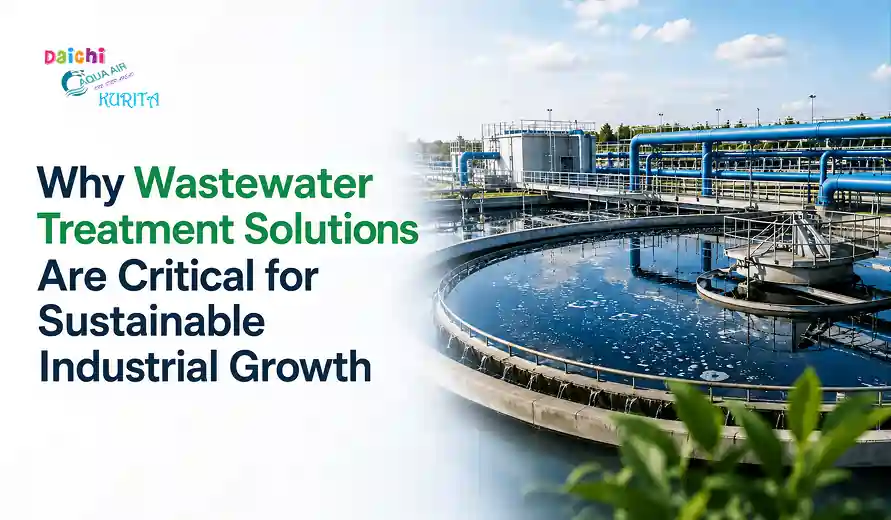
Industries around the world depend on water for manufacturing, processing, cleaning, cooling, and many other daily operations. As production increases, so does the amount of wastewater generated. Without proper treatment, this wastewater can affect rivers, groundwater, soil, and nearby communities. Wastewater Treatment Solutions help industries clean used water before it is discharged or reused, making responsible water management an important part of long-term industrial growth. By treating wastewater properly, businesses can reduce environmental impact, meet regulatory requirements, and make better use of available water resources.
Why Wastewater Treatment Solutions Matter for Modern Industries
Every industrial process produces wastewater with different characteristics. Depending on the type of industry, wastewater may contain suspended solids, chemicals, oils, heavy metals, organic matter, or other contaminants. Releasing untreated wastewater into the environment can create long-term environmental and operational problems.
Proper Industrial Wastewater Treatment removes harmful pollutants before the water is released or reused. This process helps industries protect nearby water sources while supporting responsible manufacturing practices. It also reduces pressure on freshwater supplies, which are becoming increasingly limited in many regions.
Businesses that invest in proper treatment systems are better prepared to manage water responsibly while supporting steady industrial development.
The Role of a Wastewater Treatment Solutions Strategy in Sustainable Growth
Sustainable industrial growth means increasing production without placing unnecessary pressure on natural resources. Water plays a central role in this balance because nearly every manufacturing sector depends on it.
A properly designed Wastewater Treatment Plant removes contaminants through physical, biological, and chemical treatment stages. Once treated, water may be suitable for discharge according to environmental standards or reused for selected industrial applications.
Using treated water within production facilities reduces dependence on fresh water while helping industries manage resources more responsibly.
Protecting Natural Water Resources
Freshwater is one of the world’s most valuable resources. Industrial wastewater that is discharged without treatment can pollute rivers, lakes, streams, and groundwater.
Polluted water may affect:
- Drinking water supplies
- Agricultural land
- Aquatic plants and animals
- Local ecosystems
- Public health
Using suitable Industrial Water Treatment Solutions helps reduce these risks by removing contaminants before wastewater leaves the facility. This supports cleaner water bodies and healthier surroundings for nearby communities.
Meeting Environmental Regulations
Environmental authorities have established wastewater discharge standards for different industries. These regulations are designed to reduce pollution and protect natural ecosystems.
Failure to meet discharge requirements may result in:
- Financial penalties
- Legal action
- Operational restrictions
- Temporary shutdowns
- Damage to business reputation
Proper wastewater treatment allows industries to comply with these regulations while maintaining uninterrupted operations.
Regular monitoring of water quality also helps maintain consistent compliance.
Reducing Freshwater Consumption
Many manufacturing facilities consume large volumes of fresh water every day. Depending entirely on freshwater sources may create challenges during periods of water scarcity.
Modern Water Recycling Systems allow industries to clean and reuse treated water for several purposes, including:
- Cooling operations
- Equipment washing
- Floor cleaning
- Utility services
- Selected production processes
Water recycling reduces overall water consumption while helping industries use available resources more efficiently.
Supporting Industrial Water Reuse
Many industries now recognize the value of Industrial Water Reuse as part of long-term resource planning.
Instead of treating wastewater as something that must simply be discarded, companies can recover treated water and return it to suitable operations within the facility.
Some common reuse applications include:
- Cooling towers
- Boiler systems after additional treatment
- Landscape irrigation
- Cleaning activities
- Process support operations
Water reuse reduces demand for freshwater and supports more responsible industrial water management.
Common Stages of Industrial Wastewater Treatment
Industrial wastewater treatment normally follows several treatment stages, depending on wastewater quality and discharge requirements.
Preliminary Treatment
Large debris, sand, plastics, and other materials are removed to protect pumps and treatment equipment.
Primary Treatment
Settling tanks or flotation systems remove suspended solids from wastewater before additional treatment.
Secondary Treatment
Biological treatment uses naturally occurring microorganisms to break down dissolved organic matter.
Advanced Treatment
Additional filtration or chemical treatment removes remaining contaminants to achieve the required water quality.
These combined treatment stages allow industries to produce cleaner water suitable for discharge or reuse.
Industries That Benefit from Wastewater Treatment
Almost every industrial sector depends on wastewater treatment.
Examples include:
Food and Beverage Industry
Food processing facilities generate wastewater containing fats, oils, sugars, and organic materials that require proper treatment.
Textile Manufacturing
Textile plants produce wastewater containing dyes, detergents, salts, and suspended solids.
Pharmaceutical Industry
Pharmaceutical manufacturing creates wastewater containing chemical compounds that require specialized treatment methods.
Chemical Industry
Chemical production often generates wastewater with varying pH levels and dissolved chemicals requiring controlled treatment.
Metal Processing
Metal finishing facilities commonly produce wastewater containing heavy metals that should be removed before discharge.
Power Generation
Power plants use large amounts of cooling water that can often be treated and reused within plant operations.
Economic Benefits for Industries
Wastewater treatment supports environmental responsibility while also offering financial advantages over time.
Some long-term benefits include:
- Lower freshwater purchasing costs
- Reduced wastewater disposal expenses
- Fewer compliance-related penalties
- Better equipment performance
- Lower maintenance requirements
- Improved operational planning
Responsible water management supports business continuity while reducing unnecessary operating expenses.
Supporting Environmental Responsibility
Communities, customers, and regulatory authorities increasingly expect industries to manage water responsibly.
Proper wastewater treatment demonstrates that an industry is committed to reducing pollution and protecting natural resources.
Responsible water management also helps maintain positive relationships with nearby communities and regulatory agencies.
New Developments in Water Management
Modern treatment technologies continue improving industrial water management.
Current developments include:
- Automated monitoring systems
- Membrane filtration
- Biological nutrient removal
- Zero Liquid Discharge systems
- Resource recovery methods
- Energy-conscious treatment processes
These improvements help industries recover more usable water while reducing wastewater discharge.
Selecting the Right Treatment System
Every industrial facility produces wastewater with different characteristics.
Choosing the right water treatment system depends on several factors, including:
- Wastewater composition
- Daily treatment capacity
- Required discharge quality
- Water reuse goals
- Available installation space
- Future production requirements
Careful planning helps industries select treatment systems that continue meeting operational needs as production grows.
Challenges of Poor Wastewater Management
Industries without proper wastewater treatment may experience several challenges.
These include:
- Water pollution
- Soil contamination
- Increased operating costs
- Equipment damage
- Regulatory action
- Community concerns
- Limited water availability
Managing wastewater responsibly reduces these risks while supporting stable industrial operations.
Conclusion
Wastewater Treatment Solutions are an important part of sustainable industrial growth. They help industries reduce pollution, conserve freshwater resources, support Industrial Wastewater Treatment, encourage Industrial Water Reuse, and make better use of Water Recycling Systems. Whether installed as part of a modern Wastewater Treatment Plant, an Effluent Treatment Plant, or broader Industrial Water Treatment Solutions, these systems help industries meet environmental responsibilities while supporting long-term growth and responsible water management.
FAQ
What are Wastewater Treatment Solutions?
Wastewater Treatment Solutions are systems that remove pollutants from industrial wastewater before it is discharged or reused. They help industries meet environmental standards and reduce water pollution.
Why is Industrial Wastewater Treatment important?
Industrial Wastewater Treatment helps remove harmful contaminants from wastewater, protecting natural water sources, public health, and the environment while supporting regulatory compliance.
What is the purpose of a Wastewater Treatment Plant?
A Wastewater Treatment Plant treats used industrial water through different treatment stages, making it suitable for safe discharge or reuse in industrial operations.
How do Water Recycling Systems benefit industries?
Water Recycling Systems allow industries to treat and reuse water for cooling, cleaning, and other applications, reducing freshwater consumption and operating costs.
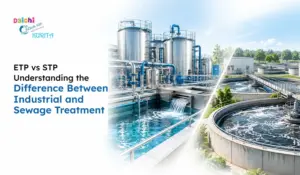
What is an Effluent Treatment Plant?
An Effluent Treatment Plant is a facility designed to treat industrial effluent by removing chemicals, suspended solids, oils, and other contaminants before disposal or reuse.