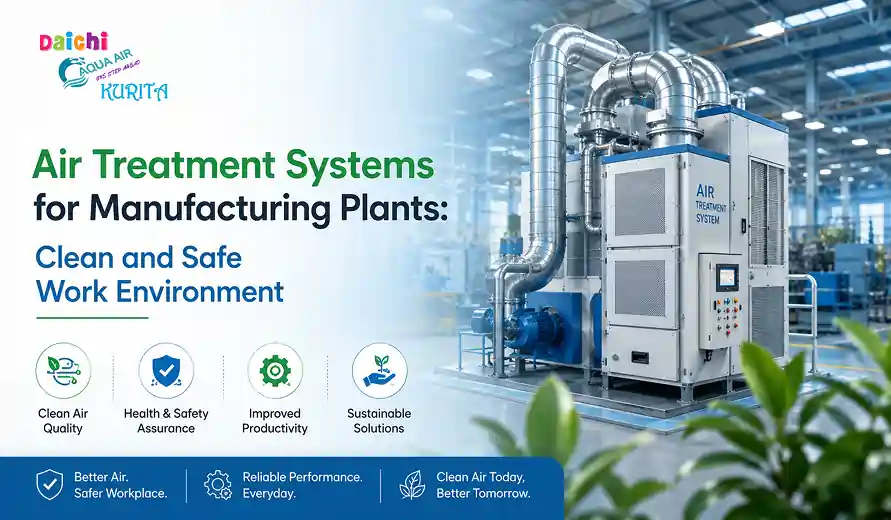
Manufacturing plants operate in environments where air quality can directly affect worker safety, production efficiency, equipment performance, and regulatory compliance. Industrial activities such as welding, chemical processing, machining, painting, and material handling often release dust particles, fumes, gases, and other airborne contaminants into the workplace.
Poor indoor air quality can create serious challenges, including health risks for employees, reduced machinery efficiency, product contamination, and increased maintenance requirements. To address these issues, industries are adopting advanced Air Treatment Systems that help remove harmful pollutants and maintain cleaner working conditions.
Modern manufacturing facilities require effective air management strategies that go beyond basic ventilation. Advanced treatment technologies help control airborne particles, improve airflow, reduce contamination levels, and support healthier industrial environments.
By implementing suitable air treatment solutions, businesses can create safer workplaces, improve operational performance, and meet environmental and occupational safety standards.
Importance of Air Treatment Systems in Manufacturing Plants
Air quality plays an important role in maintaining a productive and safe manufacturing environment. During industrial operations, various pollutants can accumulate inside facilities if proper air management systems are not installed.
Common airborne contaminants found in manufacturing plants include:
- Dust particles from cutting, grinding, and processing activities
- Chemical vapors from industrial processes
- Smoke and fumes from welding operations
- Oil mist from machinery
- Fine particles from raw materials
- Harmful gases from production activities
Without proper air control, these pollutants can affect employee health and create unsafe working conditions.
Air Treatment Systems help industries maintain cleaner air by capturing contaminants, filtering pollutants, and improving indoor air circulation. These systems are designed according to the specific requirements of different manufacturing environments.
A well-planned air treatment system provides several advantages:
- Improved workplace safety
- Better employee comfort
- Reduced airborne contamination
- Protection of sensitive equipment
- Improved compliance with environmental standards
- Enhanced production reliability
Understanding Industrial Air Treatment Solutions
Every manufacturing facility has unique air quality challenges depending on its operations, materials, and production processes. Industrial Air Treatment Solutions are designed to address these specific requirements through customized air management technologies.
These solutions combine different processes such as filtration, extraction, purification, and ventilation to maintain suitable indoor air conditions.
The main objective of industrial air treatment is to:
- Remove harmful particles and pollutants
- Maintain proper airflow
- Control temperature and humidity
- Reduce exposure to hazardous substances
- Improve overall workplace conditions
Industries such as automotive manufacturing, pharmaceuticals, food processing, chemical production, metal fabrication, and electronics rely on advanced air treatment systems to maintain controlled environments.
Key Technologies Used in Air Treatment Systems
Modern manufacturing plants use various technologies to manage air quality effectively. The selection of equipment depends on the type of contaminants, production activities, and required air standards.
Air Filtration Systems for Industrial Applications
Air Filtration Systems are one of the most common technologies used in manufacturing facilities. These systems remove airborne particles by passing contaminated air through specialized filters.
Different filtration methods are used depending on pollutant levels and particle size.
Common filtration technologies include:
- Mechanical filtration
- HEPA filtration
- Activated carbon filtration
- Electrostatic filtration
- Multi-stage filtration
Air filtration systems are widely used in industries where clean air is essential, such as electronics manufacturing, pharmaceuticals, food processing, and precision engineering.
Benefits of industrial air filtration include:
- Removal of fine dust particles
- Reduced contamination risks
- Improved workplace air quality
- Protection of production equipment
- Lower cleaning requirements
Industrial Air Purification Systems for Cleaner Workplaces
Manufacturing environments often require advanced purification methods to remove smaller particles, odors, and harmful gases.
Industrial Air Purification Systems use advanced technologies to improve air quality by treating contaminated air before it circulates throughout the facility.
These systems may include:
- Activated carbon filters for gas removal
- UV-based purification technologies
- High-efficiency particulate filters
- Chemical filtration systems
Industrial air purification systems are especially useful in facilities where employees are exposed to chemical vapors, fumes, or fine airborne contaminants.
By maintaining cleaner air, these systems help create healthier working environments and reduce risks associated with long-term exposure to pollutants.
Dust Collection Systems for Manufacturing Facilities
Dust generation is common in industries involving cutting, grinding, sanding, woodworking, and material processing. Excessive dust accumulation can affect employee health, reduce equipment efficiency, and create safety concerns.
Dust Collection Systems are designed to capture dust particles directly from their source before they spread throughout the workplace.
These systems typically include:
- Collection hoods
- Duct networks
- Filters
- Fans
- Dust storage units
Industries benefit from dust collection systems through:
- Reduced airborne dust levels
- Cleaner production areas
- Improved machine performance
- Lower maintenance requirements
- Better workplace safety
Proper dust management is especially important in manufacturing facilities where fine particles can impact both workers and product quality.
Fume Extraction Systems for Hazardous Industrial Processes
Certain manufacturing processes generate harmful fumes and gases that require immediate removal. Welding, chemical processing, painting, and metal treatment activities often release hazardous substances into the air.
Fume Extraction Systems capture these pollutants at the source and prevent them from spreading throughout the facility.
These systems are designed to:
- Remove harmful fumes
- Protect workers from exposure
- Improve ventilation efficiency
- Maintain safer production areas
Source-based extraction is considered one of the most effective approaches for controlling industrial air pollution because it removes contaminants before they enter the general workplace environment.
Role of HVAC Air Treatment Systems in Industrial Buildings
Large manufacturing facilities require proper temperature control, ventilation, and air circulation to maintain comfortable working conditions.
HVAC Air Treatment Systems combine heating, ventilation, air conditioning, and filtration technologies to manage indoor environmental conditions.
Industrial HVAC systems help regulate:
- Air temperature
- Humidity levels
- Air movement
- Indoor air cleanliness
These systems are important for maintaining stable working environments, especially in industries where temperature and humidity can affect production quality.
Proper HVAC management also helps reduce energy consumption by improving airflow efficiency and preventing unnecessary cooling or heating requirements.
Industrial Ventilation Systems for Better Air Circulation
Ventilation is a fundamental part of industrial air management. Without proper airflow, contaminants can accumulate and create unhealthy working conditions.
Industrial Ventilation Systems are designed to introduce fresh air, remove contaminated air, and maintain balanced airflow throughout manufacturing facilities.
There are two main types of industrial ventilation:
Local Exhaust Ventilation
This method removes contaminants directly from the source before they spread.
General Ventilation
This method improves overall air circulation throughout the facility.
A properly designed ventilation system supports better workplace safety and improves the effectiveness of filtration and purification equipment.
Air Pollution Control Systems for Environmental Compliance
Manufacturing industries must follow strict environmental regulations regarding air emissions. Pollutants released from industrial processes can affect surrounding communities and the environment.
Air Pollution Control Systems help industries reduce harmful emissions and maintain compliance with environmental standards.
These systems control pollutants such as:
- Dust particles
- Smoke
- Chemical gases
- Industrial emissions
- Fine particulate matter
Common air pollution control technologies include:
- Scrubbers
- Filters
- Electrostatic precipitators
- Gas treatment systems
By installing appropriate pollution control solutions, industries can reduce their environmental impact while maintaining responsible operations.
Benefits of Air Quality Management Solutions
Maintaining proper air quality requires continuous monitoring and effective management practices.
Air Quality Management Solutions help industries analyze air conditions, identify pollution sources, and implement suitable treatment methods.
These solutions provide benefits such as:
- Better workplace safety
- Improved employee productivity
- Reduced equipment contamination
- Lower operational problems
- Compliance with industry regulations
Regular air quality monitoring also helps businesses identify areas where improvements are needed and maintain consistent environmental conditions.
Applications of Air Treatment Systems Across Industries
Air treatment technologies are used in various industrial sectors to maintain safe and controlled environments.
Automotive Manufacturing
Automotive plants use air treatment systems to control paint fumes, welding smoke, dust, and other production-related pollutants.
Pharmaceutical Industry
Pharmaceutical facilities require highly controlled air conditions to prevent contamination during manufacturing processes.
Food Processing Industry
Food production units use air treatment solutions to maintain hygiene standards and prevent airborne contamination.
Chemical Industry
Chemical manufacturing requires advanced systems to remove harmful gases, vapors, and chemical emissions.
Electronics Manufacturing
Electronics industries depend on clean air environments to protect sensitive components from dust and contamination.
Choosing the Right Air Treatment Equipment Supplier
Selecting the right Air Treatment Equipment Supplier is essential for achieving effective air quality management. A reliable supplier should provide complete solutions based on industrial requirements.
Important factors to consider include:
- Experience with industrial air treatment projects
- Knowledge of different purification technologies
- Quality of equipment and components
- Customized system design capability
- Installation and maintenance support
A professional supplier can evaluate the facility, identify air quality challenges, and recommend suitable treatment solutions.
Future Trends in Industrial Air Treatment Technology
Industrial air treatment technology continues to develop with a focus on efficiency, automation, and sustainability.
Future advancements include:
- Smart air monitoring systems
- Automated filtration control
- Energy-efficient ventilation solutions
- Real-time air quality tracking
- Advanced purification technologies
These developments allow industries to manage air quality more effectively while reducing operational costs.
As manufacturing standards continue to become stricter, advanced air treatment solutions will play an increasingly important role in maintaining safe and sustainable industrial environments.
Conclusion
Air Treatment Systems are essential for manufacturing plants that want to maintain cleaner, safer, and more productive workplaces. Industrial operations often generate dust, fumes, gases, and airborne pollutants that can affect employees, equipment, and production quality.
Advanced solutions such as air filtration systems, dust collection systems, fume extraction systems, industrial ventilation systems, and air pollution control systems help industries manage these challenges effectively.
Investing in the right air treatment technology improves workplace safety, supports regulatory compliance, protects industrial equipment, and contributes to long-term operational efficiency.
By partnering with an experienced Air Treatment Equipment Supplier, manufacturing facilities can implement customized solutions designed according to their specific air quality requirements and create healthier environments for employees and production processes.
FAQ
What are Air Treatment Systems used for in manufacturing plants?
Air Treatment Systems are used in manufacturing plants to remove dust, fumes, gases, and other airborne contaminants from the workplace environment. These systems improve indoor air quality, protect employees from harmful pollutants, support equipment performance, and help industries maintain safer production areas.
Why are Air Treatment Systems important for industrial facilities?
Air Treatment Systems are important because manufacturing processes often generate pollutants that can affect worker health, product quality, and machinery efficiency. Advanced air treatment solutions help control emissions, maintain proper ventilation, reduce contamination risks, and support compliance with workplace safety standards.
What types of pollutants can industrial air treatment systems remove?
Industrial air treatment systems can remove various pollutants, including dust particles, smoke, welding fumes, chemical vapors, oil mist, gases, and fine airborne contaminants. The type of filtration or purification technology depends on the manufacturing process and the nature of pollutants generated.
How do Air Filtration Systems improve workplace safety?
Air Filtration Systems improve workplace safety by capturing harmful particles and contaminants before they spread throughout the facility. They help maintain cleaner air, reduce employee exposure to hazardous substances, protect sensitive equipment, and create a healthier working environment.
How can industries choose the right Air Treatment Equipment Supplier?
Industries should choose an Air Treatment Equipment Supplier based on experience, technical expertise, equipment quality, customization capabilities, and after-sales support. A reliable supplier evaluates the facility’s air quality requirements and recommends suitable solutions for effective pollution control and ventilation management.