Industrial growth has improved infrastructure, manufacturing, and economic development worldwide. At the same time, industries generate wastewater, emissions, and waste materials that require proper management. Environmental Engineering Solutions help businesses reduce their environmental impact while maintaining safe and efficient operations. These engineering methods support cleaner production, better use of natural resources, and compliance with environmental regulations. From water purification to air quality management, these solutions play an important role in helping industries operate responsibly while protecting people and the environment.
Understanding Environmental Engineering Solutions
Environmental Engineering Solutions focuses on designing and implementing systems to reduce pollution, conserve resources, and manage industrial waste. These solutions integrate engineering principles with environmental science to address issues related to water, air, soil, and industrial processes.
The goal is to help industries manage waste responsibly, reduce resource use, and comply with environmental standards. Environmental engineers develop systems that improve operational performance while minimizing the impact of industrial activities on surrounding ecosystems.
Some common applications include:
- Water purification
- Wastewater treatment
- Air emission control
- Waste management
- Resource recovery
- Energy conservation
- Environmental monitoring
These services are widely used across manufacturing plants, pharmaceutical facilities, food processing facilities, chemical factories, commercial buildings, and municipal projects.
Why Environmental Engineering Solutions Matter
Modern industries consume large amounts of water and energy while producing various forms of waste. Without proper treatment systems, these by-products can pollute rivers, lakes, groundwater, and the atmosphere.
Using Environmental Engineering Solutions helps industries:
- Reduce environmental pollution
- Improve resource utilization
- Meet environmental regulations
- Lower long-term operating expenses
- Protect employee health
- Support sustainable industrial development
Businesses that adopt responsible environmental practices are also better prepared for future environmental standards and evolving market expectations.
Environmental Engineering Solutions for Water Management
Water is one of the most valuable resources in industrial operations. Proper management begins with advanced Water Treatment Systems that remove impurities before water enters production processes.
These systems commonly include:
- Sand filtration
- Activated carbon filtration
- Water softening
- Reverse osmosis
- UV disinfection
- Chemical dosing
Different industries require different levels of water quality based on their production needs. Food manufacturing, pharmaceuticals, textiles, and electronics all depend on properly treated water.
Many organizations partner with a professional Water Treatment Company to design systems that match their production capacity and water-quality requirements.
Industrial Water Treatment for Manufacturing Facilities
Industrial Water Treatment plays a major role in protecting machinery, improving product quality, and reducing maintenance costs.
Untreated water often contains minerals, bacteria, suspended solids, and dissolved chemicals that can damage equipment or affect manufacturing processes.
Industrial water treatment processes may include:
- Filtration
- Reverse osmosis
- Deionization
- Softening
- Chemical treatment
- Biological treatment
Proper water treatment also extends the lifespan of boilers, cooling towers, pipelines, and heat exchangers.
Wastewater Treatment Solutions for Cleaner Discharge
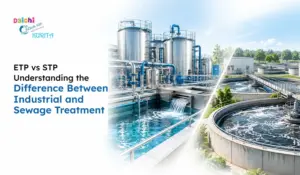
Industrial wastewater may contain oils, chemicals, heavy metals, organic matter, and suspended solids. Discharging untreated wastewater can cause significant environmental damage.
Modern Wastewater Treatment Solutions remove contaminants before treated water is discharged or reused.
Typical treatment stages include:
Primary Treatment
Large particles and suspended solids are removed through physical separation methods.
Secondary Treatment
Biological processes break down dissolved organic pollutants through microbial activity.
Tertiary Treatment
Advanced filtration and disinfection remove residual contaminants, producing higher-quality treated water.
Many industries reuse treated wastewater for cooling systems, cleaning operations, and landscape irrigation, reducing freshwater consumption.
Air Pollution Control Systems for Cleaner Operations
Industrial emissions include dust, smoke, gases, and fine particles that degrade environmental quality and public health.
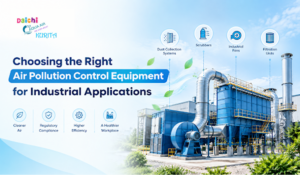
Air Pollution Control Systems help reduce harmful emissions before they are released into the atmosphere.
Common technologies include:
- Bag filters
- Wet scrubbers
- Cyclone separators
- Electrostatic precipitators
- Activated carbon filters
- Dust collection systems
These systems support compliance with emissions standards while improving workplace conditions.
Industrial RO Plant for High-Purity Water
An industrial RO plant is widely used in industries that require high-quality purified water.
Reverse osmosis removes dissolved salts, minerals, microorganisms, and other contaminants using specialized membranes.
Industrial RO plants are commonly installed in:
- Pharmaceutical industries
- Food processing plants
- Beverage manufacturing
- Textile industries
- Chemical processing units
- Electronics manufacturing
These systems reduce scaling, enhance equipment performance, and support consistent production quality.
Solid Waste Management
Industrial operations generate various categories of waste that require responsible handling.
A proper waste management system generally includes:
- Waste collection
- Segregation
- Recycling
- Material recovery
- Safe storage
- Final disposal
Many industries also recover reusable materials from production waste, thereby reducing disposal costs and conserving raw materials.
Hazardous Waste Handling
Some industrial processes generate hazardous waste that contains chemicals, acids, solvents, oils, or toxic substances.
Proper handling involves:
- Safe collection
- Secure storage
- Chemical neutralization
- High-temperature treatment
- Approved disposal methods
Responsible hazardous waste management protects soil, groundwater, and nearby communities.
Water Recycling and Resource Conservation
Freshwater availability continues to be an important concern across industrial sectors.
Many facilities now reuse treated water for:
- Cooling towers
- Equipment washing
- Floor cleaning
- Landscape irrigation
- Utility operations
Water recycling reduces dependence on freshwater sources and lowers operational expenses.
Environmental Monitoring Systems
Continuous monitoring helps industries maintain compliance with environmental regulations.
Monitoring programs typically measure:
- Water quality
- Air emissions
- Noise levels
- Waste generation
- Energy consumption
Regular monitoring also helps industries identify operational issues before they become significant environmental concerns.
Industries That Benefit from Environmental Engineering
Environmental engineering services support nearly every industrial sector.
Manufacturing
Production facilities require water treatment, waste management, and emission control systems.
Pharmaceutical Industry
High-quality water and controlled waste disposal are essential to pharmaceutical manufacturing.
Food and Beverage Industry
Food processing plants rely on purified water and proper wastewater treatment.
Chemical Industry
Chemical manufacturers require specialized pollution-control systems and hazardous-waste handling.
Textile Industry
Textile facilities generate wastewater containing dyes and chemicals that require advanced treatment.
Commercial Infrastructure
Large commercial buildings use environmental systems for sewage treatment, water conservation, and waste management.
Benefits of Environmental Engineering
Industries that invest in environmental engineering receive several long-term advantages.
Reduced Pollution
Treatment systems reduce contamination of water, soil, and air.
Better Resource Utilization
Water recycling and material recovery reduce unnecessary resource use.
Lower Maintenance Costs
Clean water reduces corrosion, scaling, and equipment wear.
Regulatory Compliance
Proper environmental systems help industries satisfy government regulations.
Improved Workplace Conditions
Cleaner air and responsible waste management promote healthier work environments.
Sustainable Business Growth
Responsible environmental practices support long-term industrial operations and protect natural resources.
Choosing the Right Water Treatment Company
Selecting an experienced Water Treatment Company is important for designing environmental systems that meet industrial requirements.
A qualified engineering partner should provide:
- Site assessment
- System design
- Equipment selection
- Installation support
- Performance testing
- Maintenance services
- Technical guidance
Choosing suitable systems from the outset helps reduce maintenance requirements and supports long-term operational efficiency.
Future of Environmental Engineering
Environmental regulations continue to grow more comprehensive as industries expand.
Future developments are expected to focus on:
- Greater water reuse
- Cleaner industrial production
- Improved resource recovery
- Advanced monitoring technologies
- Lower energy consumption
- Reduced industrial emissions
Industries that adopt modern environmental practices today are better prepared for future environmental requirements.
Conclusion
Environmental Engineering Solutions offers practical methods to protect water, air, and land while supporting industrial productivity. From Industrial Water Treatment and Wastewater Treatment Solutions to Water Treatment Systems, Air Pollution Control Systems, Industrial RO Plant installations, and services from a trusted Water Treatment Company, these engineering approaches help industries manage resources responsibly and reduce environmental impact. Investing in well-planned environmental systems supports cleaner operations, regulatory compliance, and long-term industrial success while contributing to a healthier environment for future generations.
FAQ
What are Environmental Engineering Solutions?
Environmental Engineering Solutions are engineering methods and systems designed to reduce pollution, manage waste, treat water, control emissions, and protect natural resources while helping industries comply with environmental regulations.
Why is Industrial Water Treatment important?
Industrial Water Treatment removes impurities from water used in manufacturing processes. It helps protect equipment, improves production quality, reduces maintenance costs, and supports efficient water usage.
What are Wastewater Treatment Solutions?
Wastewater Treatment Solutions are processes that remove contaminants from industrial wastewater before it is discharged or reused. These systems help protect water bodies and meet environmental standards.
What is the purpose of Air Pollution Control Systems?
Air Pollution Control Systems reduce harmful emissions such as dust, smoke, and gases released during industrial operations. They help improve air quality and support compliance with environmental regulations.
Where is an Industrial RO Plant commonly used?
An Industrial RO Plant is commonly used in pharmaceutical, food and beverage, textile, chemical, and manufacturing industries that require high-quality purified water for production processes.