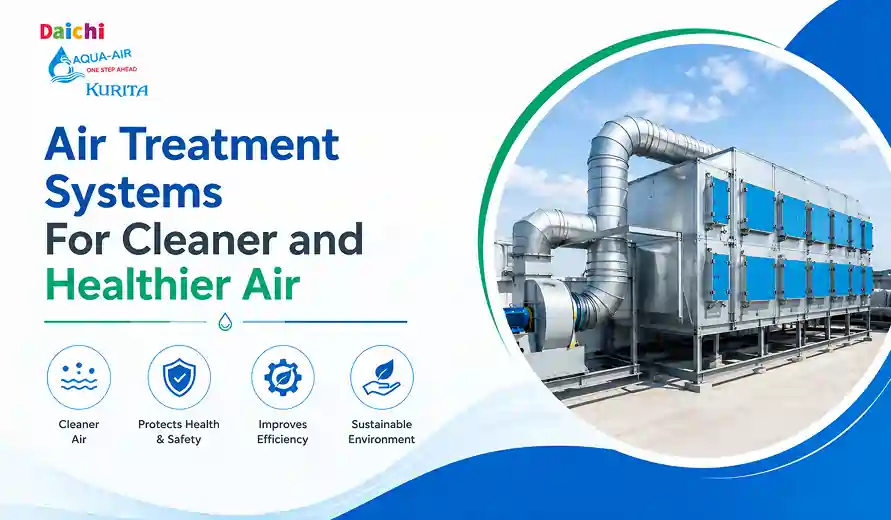
Clean indoor air is essential for maintaining a safe and comfortable environment in homes, offices, healthcare facilities, and industrial workplaces. As buildings become more enclosed and industries continue to grow, managing indoor air quality has become more important than ever. Air Treatment Systems help remove harmful particles, improve ventilation, regulate humidity, and create healthier spaces for people and equipment. Whether installed in commercial buildings or manufacturing plants, these systems play a significant role in maintaining air quality while supporting energy efficiency and operational performance.
Why Air Treatment Systems Are Important
Indoor air often contains dust, smoke, allergens, bacteria, chemical fumes, and other pollutants that are not always visible. Without proper treatment, these contaminants can affect health, reduce workplace productivity, and damage sensitive machinery.
Modern Air Purification Systems work alongside ventilation and filtration equipment to remove airborne pollutants before they spread throughout a building. Maintaining clean indoor air also helps businesses meet environmental standards while creating a healthier atmosphere for employees and visitors.
How Air Treatment Systems Work
The primary purpose of an air treatment system is to clean, condition, and circulate indoor air. Multiple components work together to improve overall air quality while maintaining comfortable environmental conditions.
The process usually includes:
- Capturing dust and airborne particles through filtration
- Removing odors and harmful gases
- Bringing fresh outdoor air inside
- Controlling humidity levels
- Maintaining balanced airflow
- Supporting temperature regulation
Depending on the application, different filtration technologies and ventilation methods may be used to achieve the required air quality.
Types of Air Treatment Systems
Different environments require different air treatment solutions. The right system depends on the type of pollutants present, the building size, and operational requirements.
Commercial Air Treatment
Commercial buildings such as offices, schools, hotels, and shopping centers require continuous airflow and proper ventilation to maintain healthy indoor environments.
Industrial Air Treatment Systems
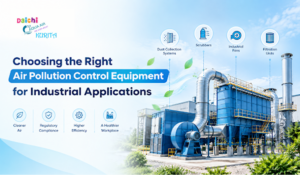
Manufacturing plants often generate dust, smoke, fumes, and chemical emissions during production. Industrial Air Treatment Systems are designed to manage these contaminants while maintaining safe working conditions and protecting production equipment.
Healthcare and Laboratory Systems
Hospitals, laboratories, and pharmaceutical facilities require advanced air quality management to reduce contamination risks and maintain controlled environments.
Food Processing Facilities
Food production plants use specialized filtration systems to reduce airborne contamination and help maintain product quality throughout processing and packaging.
Key Components of an Air Treatment System
Every air treatment system includes several important components that work together to improve indoor air quality.
Air Filters
Filters capture airborne particles such as dust, pollen, fibers, and smoke before they circulate throughout the building.
Ventilation Units
Ventilation equipment exchanges stale indoor air with fresh outdoor air while maintaining proper airflow.
Humidity Control Equipment
Maintaining balanced humidity helps prevent mold growth while improving indoor comfort.
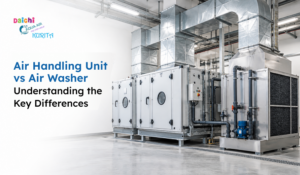
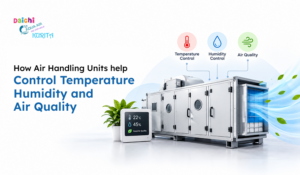
Air Handling Units
Air handling units distribute treated air evenly throughout the facility while supporting heating, cooling, and ventilation systems.
Industrial Air Filtration Systems
Large manufacturing facilities often install Industrial Air Filtration Systems to capture fine dust, welding fumes, and airborne contaminants produced during industrial operations.
Benefits of Clean Indoor Air
Installing an efficient air treatment system provides several long-term advantages for both businesses and building occupants.
Better Health
Cleaner indoor air reduces exposure to dust, allergens, bacteria, and harmful airborne particles, helping improve overall well-being.
Higher Productivity
Employees working in cleaner environments often experience fewer health-related issues and improved concentration.
Equipment Protection
Dust and contaminants can damage sensitive machinery. Proper filtration helps reduce maintenance costs and extends equipment life.
Lower Operating Costs
Energy-efficient Air Filtration Solutions improve airflow while reducing unnecessary energy consumption across HVAC systems.
Regulatory Compliance
Many industries must follow strict environmental and workplace safety standards. Proper air treatment helps organizations maintain compliance while supporting sustainable operations.
Industries That Depend on Clean Air
Many industries rely on high-quality indoor air to maintain safety, efficiency, and product quality.
Manufacturing
Factories produce dust, fumes, and airborne particles that require continuous filtration and ventilation.
Healthcare
Hospitals depend on clean air to reduce infection risks and protect patients and medical staff.
Pharmaceuticals
Controlled environments help ensure medicines are manufactured without airborne contamination.
Food and Beverage
Food processing facilities require clean air to maintain hygiene and support quality production standards.
Commercial Buildings
Shopping malls, educational institutions, hotels, and office buildings benefit from improved indoor air quality and greater occupant comfort.
Choosing the Right Air Treatment Solution
Selecting the appropriate system requires evaluating several important factors.
These include:
- Building size
- Air quality objectives
- Type of airborne contaminants
- Industry requirements
- Maintenance expectations
- Energy efficiency goals
- Future operational needs
Facilities handling high volumes of airborne pollutants may also benefit from Industrial Air Purifiers, which help remove fine particles and improve overall workplace air quality.
Maintenance Best Practices
Regular maintenance ensures consistent system performance and longer equipment life.
Recommended maintenance includes:
- Replacing filters at scheduled intervals
- Cleaning ducts and ventilation pathways
- Inspecting fans and motors
- Monitoring airflow performance
- Checking humidity controls
- Servicing air handling equipment
- Conducting routine professional inspections
Proper maintenance also helps Air Pollution Control Systems operate efficiently while reducing unexpected downtime and repair costs.
The Future of Indoor Air Quality
Modern air treatment technology continues to evolve with intelligent monitoring systems, automated controls, and energy-efficient designs. Smart sensors now measure air quality in real time, allowing systems to adjust airflow automatically based on indoor conditions.
Businesses are increasingly investing in environmentally responsible technologies that improve efficiency while reducing emissions. As sustainability becomes a greater priority, advanced air treatment solutions will continue to support healthier indoor environments across commercial and industrial sectors.
Final Words
Choosing the right Air Treatment Systems is an important investment for any organization that values clean indoor air, workplace safety, and operational efficiency. From removing harmful contaminants to improving ventilation and protecting valuable equipment, these systems provide long-term benefits across healthcare, commercial, and industrial environments. With proper design, routine maintenance, and modern filtration technology, businesses can create healthier spaces while improving performance, meeting environmental standards, and supporting sustainable growth.
FAQ
What are Air Treatment Systems used for?
Air Treatment Systems are used to improve indoor air quality by removing dust, smoke, harmful particles, odors, and airborne contaminants while maintaining proper ventilation and humidity levels.
How do Industrial Air Treatment Systems improve workplace safety?
Industrial Air Treatment Systems capture dust, fumes, and airborne pollutants generated during manufacturing processes, creating a cleaner and safer environment for workers while protecting equipment.
What industries benefit the most from Air Treatment Systems?
Industries such as pharmaceuticals, food processing, healthcare, manufacturing, laboratories, commercial buildings, and educational institutions benefit from clean air and controlled indoor environments.
How often should an air treatment system be maintained?
Most air treatment systems require routine inspections, regular filter replacement, duct cleaning, and equipment servicing according to the manufacturer’s recommendations to maintain peak performance.
What should be considered when selecting an Air Treatment System?
Air Treatment Systems are used to improve indoor air quality by removing dust, smoke, harmful particles, odors, and airborne contaminants while maintaining proper ventilation and humidity levels.