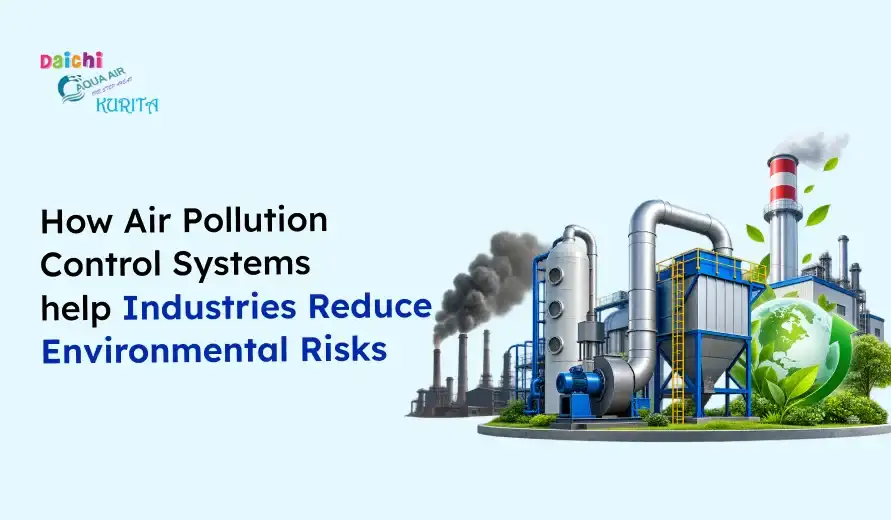
Industrial facilities can release dust, fumes, gases, vapours, and fine particles during manufacturing, processing, combustion, and material handling. Without proper controls, these pollutants can affect workers, nearby communities, equipment, and the surrounding environment. Air Pollution Control Systems provide industries with practical methods to capture, filter, treat, and manage unwanted emissions before they reach the atmosphere. From factories and chemical plants to power facilities and processing units, these systems support cleaner operations while helping businesses meet applicable environmental requirements. Understanding how they work can help industries select suitable pollution control methods for their processes.
Why Air Pollution Control Systems Matter for Industrial Facilities
Industrial activities often generate different types of airborne contaminants. Dust may come from crushing, grinding, cutting, or material transfer. Combustion processes can release gases and fine particles, while chemical operations may produce vapours or hazardous fumes. Since each pollutant behaves differently, industries need control methods that match the source, concentration, temperature, and chemical properties of the emission.
Air Pollution Control Systems help address these challenges by collecting pollutants close to their source or treating contaminated air before it is discharged. The right setup can reduce the amount of particulate matter and harmful gases entering the atmosphere. It can also support better workplace conditions by reducing airborne contaminants inside production areas.
These systems are particularly important for facilities operating continuously or at a large scale. Even a relatively small emission from an individual process can become a significant environmental concern when released repeatedly over long operating periods.
How Air Pollution Control Systems Reduce Environmental Risks
The main purpose of an industrial pollution control setup is to prevent pollutants from moving directly from a production process into the surrounding air. This generally involves several stages, such as capturing contaminated air, transporting it through ducts, removing pollutants, and releasing treated air through an appropriate outlet.
1. Capturing Pollutants at the Source
Source capture is often the first line of control. Hoods, extraction points, enclosed transfer systems, and local exhaust arrangements can collect contaminants before they spread throughout a facility.
Capturing emissions near their origin reduces the amount of contaminated air that must be treated later. It can also limit the movement of dust and fumes into other parts of a plant.
2. Removing Dust and Particulate Matter
Dust is common in industries involved in cement production, mining, food processing, metalworking, woodworking, minerals, and material handling.
Air pollution equipment such as bag filters, cartridge collectors, cyclones, and electrostatic precipitators can be selected according to particle size, loading, temperature, and process conditions. These technologies separate solid particles from an air stream so that the treated air contains significantly less particulate matter.
The collected material can then be handled through controlled disposal, recycling, or another approved process, depending on its composition.
3. Controlling Gases and Chemical Vapours
Some industrial processes release gases or volatile compounds rather than visible dust. Chemical manufacturing, coating operations, combustion processes, and several other applications can generate gaseous pollutants.
Scrubbers, activated carbon systems, thermal treatment units, and other gas treatment technologies may be used for these applications. Selection depends on the pollutant type, concentration, gas temperature, moisture level, and required removal performance.
4. Managing Combustion Emissions
Boilers, furnaces, generators, kilns, and other combustion equipment can produce pollutants such as nitrogen oxides, sulphur compounds, carbon monoxide, and particulate matter.
Industrial emission control can involve several technologies working together. Depending on the fuel and process, systems may include particulate collectors, scrubbers, selective catalytic or non-catalytic reduction systems, and other treatment equipment.
Proper combustion management also matters. Maintaining suitable operating conditions can help reduce unnecessary pollutant formation before the exhaust reaches the treatment stage.
Key Technologies Used in Industrial Air Pollution Control Systems
Different industries require different pollution control arrangements. There is no single system that suits every facility. The selection process normally considers the pollutant, production capacity, airflow, temperature, moisture, available space, operating conditions, and applicable emission limits.
Baghouse Filters
Baghouse filters use fabric filter bags to collect particulate matter from an air stream. Dust-laden air passes through the filter media, while particles remain on the surface. Periodic cleaning removes accumulated dust and allows the system to continue operating.
These filters are widely used where large quantities of dry particulate matter are generated.
Cyclone Collectors
Cyclone collectors use centrifugal force to separate heavier particles from moving air. They are often used as primary collectors or as part of a larger dust collection arrangement.
Cyclones can be useful for removing larger particles before air reaches a finer filtration stage.
Wet Scrubbers
Wet scrubbers bring contaminated gas into contact with a liquid. Depending on the design, the liquid can capture particles or absorb certain gases and vapours.
They are useful in applications where gas treatment, particle removal, or control of hot and moist exhaust streams is required.
Electrostatic Precipitators
Electrostatic precipitators use electrical forces to separate fine particles from an air stream. They are commonly associated with large industrial processes where substantial quantities of particulate emissions must be controlled.
Activated Carbon Units
Activated carbon can adsorb certain gases and vapours from contaminated air. These units are often considered for applications involving odours, volatile organic compounds, and specific chemical contaminants.
The carbon type, bed size, pollutant concentration, humidity, and operating conditions all affect system performance.
Industrial Air Pollution Control and Regulatory Requirements
Environmental regulations set limits for various industrial emissions, although the exact requirements depend on the industry, location, process, and type of pollutant. Businesses therefore need to understand the standards that apply to their facility and maintain suitable records of their emissions and control measures.
Industrial Air Pollution Control is not only about installing a filtration unit. The complete setup should be matched with the emission source and operated according to its design requirements. Regular inspections, maintenance, monitoring, and timely replacement of worn components are important parts of long-term pollution management.
Industries may also need stack monitoring, emission testing, dust collection measurements, or other forms of environmental assessment. Maintaining accurate operational records can help identify changes in system performance and support regulatory reporting.
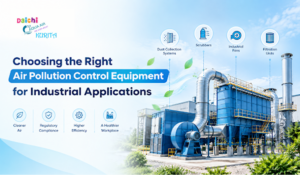
Choosing the Right Air Pollution Control Equipment
Choosing Air Pollution Control Equipment requires a detailed review of the production process. A system that works well for dry dust may not be suitable for corrosive gases or high-temperature exhaust.
Important factors include:
- Type and concentration of pollutants
- Airflow volume
- Gas temperature
- Moisture content
- Particle size
- Chemical characteristics
- Required emission limits
- Operating hours
- Available installation space
- Maintenance requirements
- Waste handling needs
A facility should also consider what happens after pollutants are captured. Collected dust, used filter media, contaminated liquid, or spent carbon may require controlled handling and disposal.
How Air Quality Control Systems Support Safer Industrial Operations
Air Quality Control Systems can contribute to better conditions inside production areas when they are designed to control airborne contaminants at their source.
Reducing dust and fumes can help prevent contaminants from spreading across work areas. Local extraction can be especially useful around processes that generate concentrated emissions. Good ventilation planning, combined with suitable pollution control equipment, can help maintain cleaner air within industrial buildings.
However, pollution control systems should not replace appropriate workplace safety practices. Industries still need suitable personal protective equipment, operating procedures, inspections, training, and exposure monitoring where required.
Industrial Pollution Control Solutions for Different Industries
Industrial Pollution Control Solutions can be designed for many sectors, including cement, steel, pharmaceuticals, chemicals, food processing, textiles, power generation, mining, foundries, and manufacturing.
For example, a cement facility may require extensive dust collection around crushers, conveyors, mills, and packaging areas. A chemical plant may need gas scrubbing or vapour treatment. A metalworking facility may require systems for welding fumes, grinding dust, or furnace emissions.
This sector-specific approach is important because pollutant characteristics differ widely. Proper system selection starts with identifying the emission source and understanding how the process generates the pollutant.
Industrial Air Pollution Control Systems and Long-Term Environmental Management
Industrial Air Pollution Control Systems can form an important part of a facility’s wider environmental management program. Their value depends not only on initial installation but also on consistent operation and maintenance.
Filters need cleaning or replacement at appropriate intervals. Fans and motors should be inspected. Ductwork should be checked for leaks or blockages. Scrubber liquids may require treatment or replacement, while sensors and monitoring devices should be checked for correct operation.
Performance data can also help plant operators identify problems early. A sudden increase in pressure drop, unusual airflow, or changes in emission readings may indicate filter loading, equipment damage, duct blockage, or another operational issue.
Practical Steps for Better Pollution Control
Industries can improve their pollution management approach by following a structured process:
- Identify every significant emission source.
- Test or assess the pollutants being generated.
- Determine the required emission limits.
- Select technology based on actual process conditions.
- Design suitable collection points and ducting.
- Install appropriate filtration or gas treatment equipment.
- Establish inspection and maintenance schedules.
- Monitor system performance at regular intervals.
- Maintain records of testing, repairs, and operating conditions.
- Review the system when production processes or environmental requirements change.
This approach helps businesses treat pollution control as an ongoing operational responsibility rather than a one-time installation.
Conclusion
Air Pollution Control Systems help industries reduce environmental risks by capturing particulate matter, treating gases, controlling fumes, and limiting the release of unwanted pollutants. Technologies such as bag filters, cyclones, scrubbers, electrostatic precipitators, and activated carbon units can address different emission sources when correctly selected and operated.
For industrial facilities, successful pollution management requires more than choosing a piece of equipment. The complete system should match the production process, pollutant characteristics, airflow conditions, maintenance requirements, and applicable environmental standards. With suitable planning, regular monitoring, and proper maintenance, industries can reduce airborne emissions while supporting cleaner and more responsible production practices.
FAQ
What are Air Pollution Control Systems used for?
They are used to capture, filter, separate, or treat pollutants released during industrial processes. Depending on the application, they can control dust, particulate matter, fumes, gases, vapours, and other airborne contaminants.
Which industries need industrial pollution control systems?
Industries such as cement, steel, chemicals, pharmaceuticals, mining, food processing, power generation, foundries, textiles, and general manufacturing may require pollution control systems based on their processes and emission sources.
How do industrial dust collection systems reduce emissions?
Dust collection systems capture particulate matter from process air before it is released into the surrounding environment. Technologies such as bag filters, cyclones, and electrostatic precipitators can be selected according to particle characteristics and operating conditions.
How often should pollution control equipment be maintained?
Maintenance frequency depends on the equipment type, operating hours, pollutant loading, and manufacturer’s requirements. Regular inspections can identify filter loading, leaks, blockages, fan problems, or other issues before they affect system performance.
How should an industry choose the right pollution control technology?
The choice should consider the types and concentrations of pollutants, airflow, temperature, moisture, particle size, emission limits, operating conditions, available space, maintenance needs, and the method required to handle captured waste.