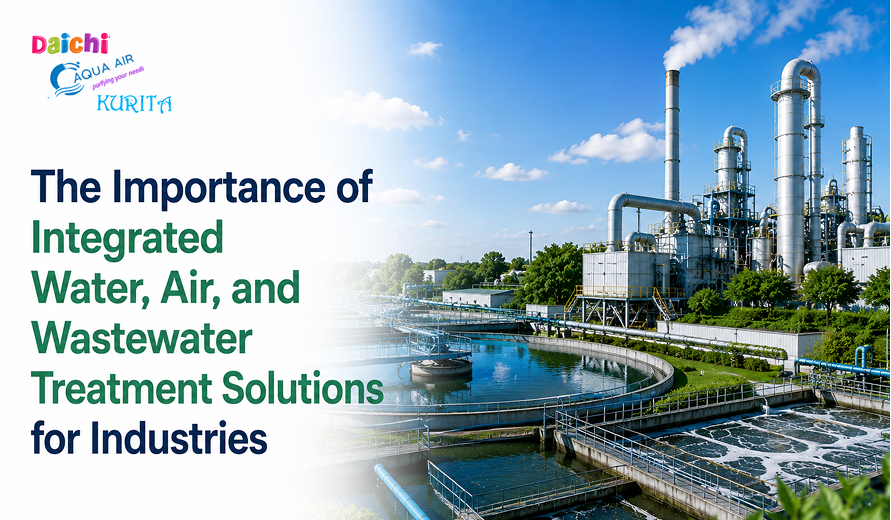
Industrial growth brings many benefits, but it also creates challenges related to water use, wastewater generation, and air pollution. Manufacturing units, processing plants, chemical industries, pharmaceutical companies, and other industrial facilities need proper systems to manage these challenges. A well-planned treatment setup can help businesses maintain cleaner operations, protect valuable resources, and meet environmental requirements.
Integrated treatment is useful because water, wastewater, and air management are closely connected with industrial processes. Instead of looking at each environmental issue separately, industries can use suitable technologies together to create a more complete approach to pollution management.
At Daichi Kurita Aqua-Air, we provide treatment and environmental solutions designed according to the requirements of different industries. Our focus is on helping businesses improve their processes through suitable engineering, modern treatment technologies, and practical solutions.
Why Integrated Treatment Matters for Industrial Operations
Industrial facilities may deal with several environmental concerns at the same time. Production processes can consume large amounts of water, generate wastewater, and release dust, fumes, gases, or vapours.
Handling each issue separately may make environmental management more difficult. An integrated approach allows businesses to consider the complete production process and identify where treatment can improve efficiency.
We provide customized solutions based on the type of industry, production process, water requirements, wastewater characteristics, and emission sources. This helps businesses select treatment systems that suit their actual operating conditions.
The Growing Need for Air Pollution Control Systems
Air pollution is an important concern for industries where manufacturing activities generate dust, fumes, gases, or fine particles. If these pollutants are not properly controlled, they can affect workplace conditions and the surrounding environment.
Air Pollution Control Systems help industries collect and treat unwanted emissions before they are released. Different technologies can be selected depending on the type and concentration of pollutants.
At Daichi Kurita Aqua-Air, we provide air treatment and pollution control solutions for industrial applications. Our systems are designed to help businesses manage emissions while supporting cleaner working environments.
Managing Industrial Air Pollution at Its Source
Effective Industrial Air Pollution Control begins with identifying where pollutants are generated. Dust from material handling, fumes from manufacturing, and gases from combustion processes may require different treatment methods.
Source collection can help capture pollutants before they spread across the facility. Extraction systems, hoods, ducts, filters, scrubbers, and other equipment can be used as part of a suitable treatment arrangement.
We assess the requirements of each application and provide solutions that are designed around the industrial process. This approach helps businesses manage air pollution more effectively instead of depending on a standard system for every application.
Industrial Air Pollution Control Systems for Different Applications
Different industries generate different types of emissions. Therefore, Industrial Air Pollution Control Systems need to be selected according to the actual process.
Cement and mineral industries may generate significant quantities of dust. Metal processing units can produce fumes and fine particles, while chemical industries may release gases and vapours. Manufacturing facilities may also require localized extraction around specific production equipment.
We provide customized systems that can be planned according to the emission source, airflow, pollutant characteristics, temperature, and operating requirements.
Choosing Suitable Air Pollution Control Equipment
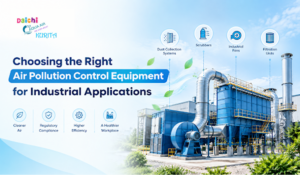
Selecting the right Air Pollution Control Equipment is important for achieving effective emission management. The equipment should match the type of pollutant and the conditions under which the process operates.
Depending on the application, industries may require technologies such as:
- Bag filters
- Cyclone collectors
- Wet scrubbers
- Electrostatic precipitators
- Activated carbon systems
- Air handling systems
- Local exhaust and extraction arrangements
Each technology has a different purpose. Proper assessment helps determine which equipment or combination of technologies is suitable for a particular industrial application.
Industrial Emission Control for Cleaner Production
Industrial processes can produce emissions at different stages of production. Combustion equipment, furnaces, boilers, chemical processes, and material handling systems may all require suitable controls.
Industrial Emission Control involves identifying emission sources and implementing suitable systems to reduce their impact. Proper operation and regular maintenance are also important for maintaining consistent performance.
We help industries develop practical emission control systems based on their process requirements. Our solutions are designed to support cleaner production while helping businesses work towards applicable environmental requirements.
Maintaining Better Air Quality Inside Industrial Facilities
Air pollution management is not limited to emissions released outside the facility. Maintaining suitable conditions inside the workplace is also important.
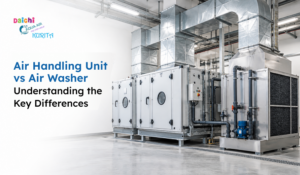
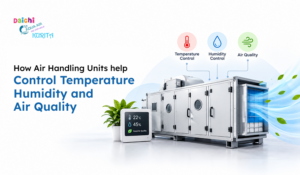
Air Quality Control Systems can help manage dust, fumes, heat, humidity, and other airborne conditions in industrial areas. Depending on the application, air washers, air handling units, ventilation arrangements, and other systems can be considered.
At Daichi Kurita Aqua-Air, we provide air treatment solutions that can be customized according to the requirements of industrial and commercial facilities.
Connecting Water Treatment with Industrial Operations
Water is an important part of many industrial processes. It may be used for manufacturing, cooling, cleaning, processing, boilers, and other applications.
Poor water quality can affect production efficiency and equipment performance. Proper water treatment helps industries maintain suitable water quality for their intended use.
We provide water treatment solutions that help industries improve water quality, manage consumption, and make better use of available resources. Treatment requirements are assessed according to the source water and intended application.
Managing Wastewater Before Discharge or Reuse
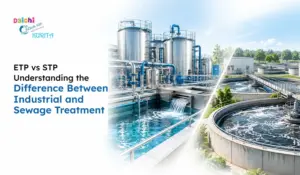
Industrial wastewater may contain suspended solids, dissolved substances, chemicals, oils, and other contaminants. Proper treatment is required before wastewater can be safely discharged or reused.
We provide Wastewater Treatment Solutions designed according to the characteristics of industrial wastewater. Depending on the application, treatment may involve physical, chemical, biological, or advanced treatment processes.
Effective wastewater management can help businesses reduce environmental impact and create opportunities for water recovery and reuse.
Building Industrial Pollution Control Solutions That Work Together
Water, air, and wastewater treatment should not always be considered separate activities. They are often connected to the same industrial process and can influence overall environmental performance.
Our Industrial Pollution Control Solutions are developed after understanding the specific requirements of the facility. We focus on providing practical systems that help industries manage pollution, improve resource utilization, and maintain efficient operations.
A properly planned approach can also make maintenance and monitoring easier by creating a more organized treatment infrastructure.
The Role of Proper System Design
The performance of a treatment system depends heavily on its design. Factors such as production capacity, pollutant levels, water quality, airflow, temperature, available space, and future expansion need to be considered.
We provide customized engineering solutions based on these factors. Our services can cover consultation, system design, manufacturing, installation, commissioning, and after-sales support.
This complete approach helps ensure that the treatment system is suitable for the facility and its long-term requirements.
Benefits of an Integrated Treatment Approach
A properly planned treatment system can provide several benefits to industrial businesses:
- Better control over industrial emissions
- Improved water quality
- More effective wastewater management
- Reduced environmental impact
- Better workplace conditions
- Improved resource utilization
- Support for sustainable industrial operations
- Easier long-term maintenance and monitoring
These benefits can help industries improve their environmental performance without losing focus on productivity.
Supporting Different Industrial Sectors
Every industrial sector has different environmental requirements. Food and beverage facilities may focus on water and wastewater treatment, while chemical and pharmaceutical industries may require both wastewater and emission control.
Manufacturing, textile, automotive, power, hospitality, healthcare, and process industries may also require customized treatment systems.
At Daichi Kurita Aqua-Air, we provide solutions based on the individual requirements of different industrial applications rather than using the same approach for every facility.
Moving Towards Cleaner and More Responsible Industries
Environmental management is becoming an important part of industrial planning. Businesses are looking for practical ways to reduce waste, manage emissions, conserve water, and improve workplace conditions.
An integrated approach can help industries address these requirements in a more organized way. When water treatment, wastewater management, and air pollution control are planned properly, businesses can improve their overall environmental performance.
Modern treatment technologies also provide opportunities to reuse water, control emissions, and reduce unnecessary resource consumption.
Why Choose Daichi Kurita Aqua-Air?
At Daichi Kurita Aqua-Air, we understand that every industrial facility has different treatment requirements. We focus on understanding the customer’s process and providing solutions that match their actual needs.
Our expertise covers water treatment, wastewater treatment, air treatment, and pollution control applications. We aim to provide practical systems supported by proper engineering and technical knowledge.
From project planning to installation and ongoing support, we work towards providing solutions that help industries operate more efficiently and responsibly.
Conclusion
The Industrial Air Pollution Control Systems used in a facility are an important part of wider environmental management. When combined with effective water treatment and wastewater management, they can help industries create cleaner and more efficient operations.
From Air Pollution Control Systems and Air Pollution Control Equipment to Industrial Emission Control, Air Quality Control Systems, and Wastewater Treatment Solutions, every component has a specific role in managing industrial environmental challenges.
At Daichi Kurita Aqua-Air, we provide customized Industrial Pollution Control Solutions that help businesses manage water, wastewater, and air requirements according to their processes. With proper planning, suitable technology, and regular maintenance, industries can move towards cleaner operations while supporting long-term and responsible growth.
FAQ
What are integrated water, air, and wastewater treatment solutions?
Integrated treatment solutions combine water treatment, wastewater management, and air pollution control systems to help industries manage different environmental requirements through a coordinated approach.
Why do industries need Air Pollution Control Systems?
Air Pollution Control Systems help industries manage dust, fumes, gases, vapours, and other airborne pollutants generated during manufacturing and processing activities.
What is Industrial Air Pollution Control?
Industrial Air Pollution Control involves identifying emission sources and using suitable equipment and technologies to collect, filter, or treat pollutants before they are released into the surrounding environment.
What types of Air Pollution Control Equipment are used in industries?
Depending on the application, industries may use bag filters, cyclone collectors, wet scrubbers, electrostatic precipitators, activated carbon systems, extraction systems, and other specialized equipment.
How do Industrial Air Pollution Control Systems help businesses?
They can help industries reduce airborne emissions, maintain better workplace conditions, protect equipment from excessive dust, and support responsible environmental management.