Industries use large amounts of water for production, cleaning, cooling, processing, and other daily activities. After use, this water may contain oil, chemicals, suspended solids, organic matter, and other unwanted substances. Proper industrial wastewater treatment helps industries manage this wastewater before it is discharged or reused. It also supports cleaner operations and helps businesses follow environmental requirements.
Daichi Kurita Aqua-Air provides water, wastewater, and air treatment solutions for industrial and commercial applications. Its product range includes Effluent Treatment Plants (ETP), Sewage Treatment Plants (STP), Multi Effect Evaporators (MEE), Zero Liquid Discharge systems, RO Plants, and Ultra Filtration Plants. These systems are designed for different industrial water and wastewater needs.
What Is Industrial Wastewater Treatment?
Wastewater produced by factories and industrial facilities often contains different types of pollutants, depending on the nature of the industry and its operations. The quality and composition of this wastewater can vary significantly from one sector to another.
For example, food processing units may generate wastewater containing organic matter, grease, and suspended solids. In contrast, chemical and textile industries may produce wastewater that contains dyes, oils, chemicals, and other potentially harmful substances. Because of these differences, industries need treatment solutions that are suitable for the specific characteristics of their wastewater.
Industrial wastewater treatment helps remove unwanted contaminants and improve the quality of the water. A properly designed treatment process can make wastewater safer for discharge or prepare it for further treatment and reuse. Effective wastewater management also helps industries reduce their environmental impact and maintain more responsible and sustainable operations.
Why Industrial Wastewater Treatment Is Important
Factories need proper systems to handle wastewater generated during production and cleaning activities. Without suitable treatment, untreated wastewater can create problems for water sources, soil, and the surrounding environment.
A properly planned treatment setup can help reduce pollutants before wastewater leaves the facility. It can also help industries manage their water use and reduce the amount of wastewater that requires disposal.
Good water treatment solutions can also support water reuse. Treated water may be suitable for selected non-potable applications, depending on its quality and the treatment process used. This can help reduce the demand for fresh water in suitable industrial activities.
How Industrial Wastewater Is Treated
The treatment process generally begins with an assessment of the wastewater. The water is checked for factors such as suspended solids, organic matter, oil, chemicals, pH, and other pollutants.
After this assessment, a suitable treatment process can be selected. Physical treatment may remove larger particles and solids. Chemical treatment may be used when certain substances need to be separated or neutralized. Biological treatment can help reduce biodegradable organic matter.
Further treatment may be required when industries need higher-quality water for reuse or when the wastewater contains difficult-to-remove substances. Systems such as RO, Ultra Filtration, MEE, and Zero Liquid Discharge can be used as part of a wider treatment setup depending on the project requirements.
Choosing the Right Industrial Water Treatment Systems
Selecting suitable industrial water treatment systems depends on several factors. The first is the quality and quantity of wastewater produced by the facility. The second is the required quality of treated water. The type of industry and available space can also affect system selection.
For example, an industry generating large quantities of effluent may need an Effluent Treatment Plant. Facilities dealing with sewage may require an STP. Where water needs additional purification, RO or Ultra Filtration can be considered.
Daichi Kurita Aqua-Air offers several treatment systems for industrial applications, including ETP Plants, STP Plants, RO Plants, Ultra Filtration Plants, and MEE-based Zero Liquid Discharge solutions.
Role of a Wastewater Treatment Plant
A wastewater treatment plant provides a structured way to collect, process, and manage wastewater. It brings different treatment stages together so that wastewater can be handled according to its characteristics and the required output quality.
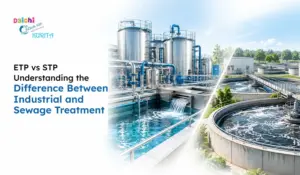
An Effluent Treatment Plant, commonly called an ETP, is used for treating industrial effluent. The treatment stages can vary according to the industry. Food, pharmaceutical, chemical, textile, automotive, and manufacturing facilities can all have different wastewater requirements.
The company serves several industrial sectors, including food and beverage, pharmaceutical, chemical, textile and dyeing, healthcare, manufacturing, automotive, and process industries.
Understanding a Wastewater Treatment System
A wastewater treatment system may include several connected stages instead of one single machine. Each stage has a specific purpose in the overall treatment process.
The first stage may focus on removing larger solids and unwanted materials. Later stages can address suspended particles, organic matter, oils, chemicals, or dissolved substances. Additional filtration or evaporation may be added when the treated water needs to meet specific requirements.
The final system should be selected after understanding the wastewater characteristics, flow rate, treatment goals, and space available at the facility.
Industrial Water Treatment Plant and Water Reuse
An industrial water treatment plant can help businesses manage both incoming water and wastewater. Treatment systems such as RO and Ultra Filtration can be used where water requires additional purification.
Water reuse can be considered for suitable industrial activities after treatment. The actual reuse application depends on water quality and the process requirements of the facility.
This approach can help industries make better use of available water resources. It also connects wastewater management with wider water conservation efforts.
Managing Industrial Waste Water Treatment Efficiently
Every factory has different operational requirements, which means the quality and composition of wastewater can also vary. Factors such as raw materials, production activities, cleaning procedures, and changes in daily operations can affect the nature and volume of wastewater generated.
Industrial waste water treatment should therefore be planned according to the specific requirements of each facility. Regular monitoring helps identify changes in wastewater quality, while proper maintenance of pumps, tanks, filters, membranes, and other equipment supports the smooth operation of the treatment system.
A well-designed system should also be flexible enough to handle future changes in production capacity or wastewater volume. By working with experienced technical professionals, businesses can select suitable equipment and treatment methods that match their operational needs and support efficient wastewater management.
What Is Industrial Treatment of Water?
Industrial treatment of water covers processes used to make water suitable for industrial use, reuse, or discharge. It can include filtration, clarification, biological treatment, membrane treatment, evaporation, and other processes.
The right approach depends on the purpose of the water. Water used for manufacturing may have different quality requirements from water used for cleaning, cooling, or other processes.
For this reason, industries should first understand their water quality requirements and then select suitable treatment equipment. A complete assessment can help avoid using an unsuitable system or adding unnecessary treatment stages.
Why Choose a Complete Treatment Approach?
Modern industrial facilities may need more than one treatment technology. An ETP can handle industrial effluent, while RO or Ultra Filtration can provide additional water purification. MEE and Zero Liquid Discharge systems can be considered where wastewater needs further concentration and water recovery.
Daichi Kurita Aqua-Air provides design, manufacturing, installation, commissioning, and after-sales support for its water, wastewater, and air treatment solutions.
A complete approach allows industries to consider their water supply, wastewater generation, treatment requirements, and reuse goals together. This can make water management easier to plan and maintain.
Final Thoughts
Industrial wastewater treatment plays an important role in helping factories manage wastewater, protect water resources, and support responsible industrial operations. From ETP and STP plants to RO, Ultra Filtration, MEE, and Zero Liquid Discharge systems, different technologies can be used according to the needs of each facility.
Daichi Kurita Aqua-Air offers a range of water and wastewater treatment systems for industries across sectors. With the right treatment setup, businesses can manage wastewater more carefully while working toward better water use and environmental performance.
Table of Contents
Frequently Asked Questions
What is industrial wastewater treatment?
Industrial wastewater treatment is the process of removing pollutants, solids, chemicals, oils, and other unwanted materials from wastewater produced by industrial activities.
Why do industries need a wastewater treatment plant?
A wastewater treatment plant helps industries treat their wastewater before discharge or reuse. It can help manage pollutants and support better water management.
What are industrial water treatment systems used for?
Industrial water treatment systems are used to treat water for different industrial purposes, including production, cleaning, cooling, filtration, and reuse.
What is an ETP plant?
An Effluent Treatment Plant (ETP) is a system used to treat wastewater generated by industrial processes. The treatment stages depend on the type and quality of the industrial effluent.
Can treated wastewater be reused?
Yes, treated wastewater can be reused for selected industrial applications when its quality meets the requirements of that particular use. Additional treatment such as RO or Ultra Filtration may be required in some cases.