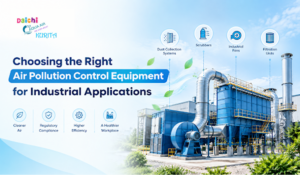
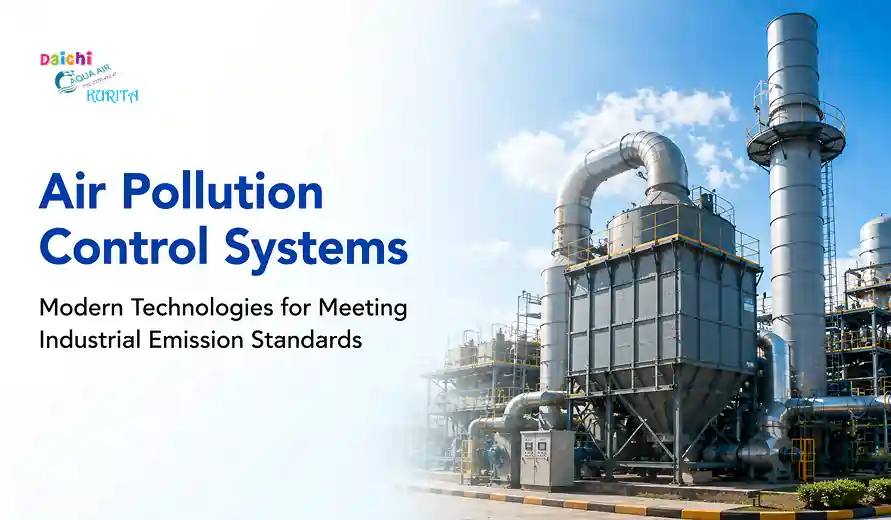
Industrial development has increased production across sectors such as manufacturing, power generation, chemical processing, and metal production. However, these activities can release harmful pollutants into the air if proper controls are not in place. Air Pollution Control Systems help industries reduce harmful emissions, manage air quality, and comply with environmental regulations. These solutions capture dust, gases, fumes, and other pollutants before they enter the environment. With stricter emission standards worldwide, industries are adopting advanced technologies to maintain cleaner operations while reducing their environmental impact.
Understanding Air Pollution Control Systems in Modern Industries
Air Pollution Control Systems are advanced solutions designed to remove harmful pollutants from industrial exhaust streams. These systems use various technologies to capture particulate matter, chemical gases, and other contaminants generated during industrial processes.
Industries emit different types of pollutants depending on their operations. For example, power plants may release flue gases containing sulfur compounds and nitrogen oxides, while manufacturing units may generate dust, fumes, and volatile organic compounds.
The primary purpose of these systems is to control emissions at the source. By treating contaminated air before release, industries can reduce pollution levels and maintain compliance with environmental standards.
Modern Air Pollution Control Systems are used in various sectors, including:
- Power generation facilities
- Cement manufacturing plants
- Steel and metal industries
- Chemical processing units
- Pharmaceutical production facilities
- Waste management plants
- Food processing industries
Each industry requires specific solutions based on pollutant type, emission volume, and regulatory requirements.
Importance of Industrial Emission Control Systems
Industrial activities contribute to air pollution when gases, particles, and chemical compounds are released without adequate treatment. Long-term exposure to industrial pollutants can harm human health, damage ecosystems, and degrade air quality in surrounding areas.
Industrial Emission Control Systems help businesses manage these challenges by reducing harmful emissions before they reach the atmosphere. These systems help industries comply with environmental regulations while creating safer working environments.
The major benefits of emission control solutions include:
- Reduction of harmful air pollutants
- Better compliance with government standards
- Improved workplace safety
- Lower environmental impact
- More responsible industrial operations
Governments and environmental organizations continue to impose stricter emissions limits, making advanced pollution-control technologies an essential part of modern industrial planning.
Advanced Air Pollution Control Systems and Their Technologies
Industries today use several technologies to control emissions effectively. The selection of technology depends on the type of pollutants, the production process, and the required level of emission reduction.
Electrostatic Precipitators for Particulate Removal
Electrostatic precipitators are widely used to control dust and fine particles in industrial exhaust gases. These systems use electrical charges to separate particles from gas streams.
During operation, dust particles become electrically charged and migrate toward collection plates with the opposite charge. The collected particles are then removed from the system.
Electrostatic precipitators are commonly used in:
- Thermal power plants
- Cement production facilities
- Steel manufacturing units
- Large combustion systems
They provide high dust removal efficiency and are suitable for industries that produce large quantities of particulate emissions.
Baghouse Filtration Technology
Baghouse filters are another important technology for industrial pollution management. These systems use fabric filter bags to capture dust particles from contaminated air.
As air passes through the filter bags, dust collects on the surface while cleaner air moves through the system. Regular cleaning removes accumulated dust and maintains filtration performance.
These filters are commonly used in Industrial Air Filtration Systems because they effectively control fine particles.
Industries using baghouse filters include:
- Cement plants
- Wood processing facilities
- Food production units
- Chemical industries
- Mining operations
The technology is valued for its ability to capture small particles and to deliver consistent filtration results.
Scrubber Systems for Gas Emission Treatment
Scrubber systems are designed to remove harmful gases from industrial exhaust. They use liquids or chemical solutions to absorb and neutralize pollutants.
Wet scrubbers, dry scrubbers, and semi-dry scrubbers are commonly used depending on the type of emissions.
Scrubber technology is effective for controlling:
- Sulfur dioxide
- Acid gases
- Chemical vapors
- Industrial fumes
Many industries use Flue Gas Treatment Systems to process exhaust gases from combustion activities. These systems help reduce harmful compounds and improve overall emissions quality.
Activated Carbon Filtration for VOC Control
Activated carbon filtration is widely used to remove organic pollutants and unwanted odors from industrial air streams. The porous structure of activated carbon enables it to capture harmful molecules effectively.
This technology is commonly used for controlling:
- Volatile organic compounds
- Solvent vapors
- Chemical odors
- Industrial gases
Industries such as painting, coating, chemical production, and pharmaceutical manufacturing often use activated carbon systems as part of their pollution control strategy.
Thermal and Catalytic Oxidation Systems
Thermal and catalytic oxidizers destroy harmful gases by converting them into less harmful substances.
Thermal oxidation uses high temperatures to break down pollutants, while catalytic oxidation uses special materials to enable treatment at lower temperatures.
These systems are suitable for industries that generate VOC emissions and hazardous air pollutants. They are an important part of modern Emission Control Technologies because they help reduce harmful gases effectively.
Role of Air Pollution Control Equipment in Industrial Operations
Air Pollution Control Equipment plays a major role in maintaining clean industrial environments. These systems include filters, scrubbers, collectors, and monitoring devices that reduce emissions.
Choosing suitable equipment requires an understanding of:
- Type of pollutants generated
- Gas temperature and composition
- Required emission limits
- Production conditions
- Maintenance requirements
A properly selected system improves pollution control performance and helps industries comply with environmental requirements.
Modern equipment also includes automation features that enable operators to monitor system performance and quickly identify issues.
Smart Monitoring in Air Pollution Control Systems
Technological advances have made pollution control systems more intelligent and efficient. Industries now use sensors, automation tools, and digital monitoring platforms to track emissions in real time.
Smart monitoring systems help industries:
- Measure pollutant levels continuously
- Identify operational problems
- Maintain stable system performance
- Generate compliance reports
- Reduce unnecessary maintenance costs
Digital monitoring enables companies to respond quickly when emission levels change. This improves reliability and supports better environmental management.
Benefits of Industrial Air Filtration Systems
Modern filtration solutions offer several advantages for industries that need improved air quality management.
Industrial Air Filtration Systems help remove dust, particles, and other contaminants from industrial environments. They improve working conditions and reduce exposure to harmful substances.
Key benefits include:
Cleaner Working Environment
Effective filtration reduces airborne pollutants in industrial facilities and creates safer conditions for employees.
Better Equipment Protection
Removing dust and contaminants helps protect machinery and reduces maintenance needs.
Improved Production Quality
Cleaner air can support better manufacturing processes, especially in industries where contamination affects product quality.
Future Developments in Industrial Emission Control Technologies
The future of industrial pollution management is focused on smarter, cleaner, and more energy-efficient solutions. Companies are investing in advanced systems that deliver better emissions reductions at lower operating costs.
Future trends include:
- Artificial intelligence-based emission monitoring
- Automated control systems
- Energy-efficient filtration methods
- Advanced sensor technologies
- Improved gas treatment solutions
As environmental standards become stricter, industries will continue to adopt innovative solutions to manage emissions effectively.
Conclusion
Modern air pollution control systems are essential for industries seeking to reduce emissions and comply with environmental standards. Advanced technologies, including electrostatic precipitators, scrubbers, filters, and oxidation systems, provide effective methods for controlling industrial pollutants.
By investing in advanced pollution management solutions, industries can improve air quality, maintain regulatory compliance, and support sustainable operations. Continued development of emissions-reduction technologies will help create cleaner industrial environments while protecting communities and natural resources.
FAQ
What are Air Pollution Control Systems used for?
Air Pollution Control Systems are used to remove harmful pollutants, such as dust particles, gases, fumes, and chemical compounds, from industrial emissions. They help industries maintain cleaner air and comply with environmental regulations.
Which industries require Industrial Air Pollution Control Systems?
Industries such as power generation, cement manufacturing, chemical processing, metal production, pharmaceutical manufacturing, and waste management commonly use Industrial Air Pollution Control Systems to manage emissions generated during their operations.
What types of Air Pollution Control Equipment are commonly used?
Common types of air pollution control equipment include electrostatic precipitators, baghouse filters, scrubbers, activated carbon filters, and thermal oxidation systems. The right equipment depends on the types of pollutants generated by an industrial process.
How do Flue Gas Treatment Systems help industries?
Flue Gas Treatment Systems remove harmful substances from combustion gases before they are released into the atmosphere. They help control pollutants such as sulfur dioxide, nitrogen oxides, and particulate matter in industrial exhaust.
Why are modern Emission Control Technologies important for industries?
Modern Emission Control Technologies help industries reduce environmental impact, meet emissions standards, improve workplace safety, and maintain efficient production operations through advanced monitoring and treatment methods.