Industrial operations today face increasing pressure to improve productivity while reducing their environmental impact. Manufacturers are expected to maintain consistent product quality, reduce operating costs, and comply with strict environmental regulations. At the center of these objectives are Water and Air Treatment Solutions, which help industries maintain cleaner processes, protect equipment, and minimize waste.
Whether a facility operates in manufacturing, pharmaceuticals, food processing, power generation, or chemical production, investing in effective treatment technologies delivers measurable operational and environmental benefits. Modern treatment systems not only improve production efficiency but also support long-term sustainability by reducing resource consumption and helping businesses meet regulatory standards.
Why Water and Air Treatment Solutions Are Essential for Modern Industries
Every industrial facility depends on reliable water quality and clean air to keep operations running smoothly. Water is required for cooling, cleaning, processing, steam generation, and manufacturing, while controlled air quality protects workers, equipment, and finished products.
Advanced Water and Air Treatment Solutions help industries remove contaminants before they affect production. These systems reduce operational risks, improve equipment reliability, and support safer working environments. As environmental regulations continue to evolve, treatment solutions have become a critical investment for businesses aiming to remain competitive and compliant.
How Water and Air Treatment Solutions Improve Industrial Efficiency
Efficient industrial processes begin with maintaining high-quality water and controlled air conditions. Poor water quality can damage equipment, while contaminated air can affect employee health and product consistency.
By implementing properly designed treatment systems, industries experience smoother operations, lower maintenance costs, and improved resource utilization. These improvements contribute directly to higher productivity and reduced operational expenses.
Protecting Equipment from Scale and Corrosion
Industrial equipment such as boilers, cooling towers, pipelines, and heat exchangers performs best when supplied with properly treated water. Untreated water often contains dissolved minerals that form scale deposits, reducing heat transfer efficiency and increasing energy consumption.
Modern Industrial Water Treatment Systems remove hardness, suspended solids, and dissolved contaminants before they circulate through equipment. Cleaner water helps prevent corrosion, minimizes repairs, and extends the service life of valuable industrial assets.
Reducing equipment deterioration also decreases unexpected shutdowns, allowing production schedules to remain consistent throughout the year.
Lowering Maintenance Costs
Frequent equipment failures often result from poor water quality and airborne contaminants. Regular cleaning, component replacement, and emergency maintenance increase operating expenses while reducing productivity.
Installing efficient Water Treatment Systems helps prevent buildup inside industrial equipment, reducing maintenance frequency and improving operational reliability. At the same time, proper filtration keeps production environments cleaner, lowering wear on sensitive machinery.
The result is improved equipment availability and more predictable maintenance planning.
Improving Energy Efficiency
Scaling inside boilers and heat exchangers acts as insulation, forcing systems to consume additional energy to maintain operating temperatures. Even small mineral deposits can significantly reduce efficiency.
High-quality treatment systems eliminate these issues by supplying cleaner process water. Improved heat transfer enables equipment to operate with lower energy consumption, helping industries reduce utility costs while lowering carbon emissions.
Energy savings become increasingly valuable as production volumes grow.
Supporting Cleaner Industrial Air
Maintaining clean indoor air is just as important as maintaining water quality. Manufacturing activities often generate dust, smoke, chemical vapors, and airborne particles that can affect both workers and production equipment.
Modern Air Pollution Control Systems are designed to capture these contaminants before they spread throughout the facility.
Industries that install effective filtration and ventilation systems create healthier workplaces while protecting production processes from airborne contamination.
Better Workplace Safety
Clean air contributes directly to employee well-being. Workers exposed to excessive dust or chemical fumes may experience respiratory discomfort, fatigue, and reduced productivity.
Implementing reliable Industrial Air Pollution Control technologies helps remove harmful airborne pollutants and improves overall workplace conditions. Cleaner environments often contribute to higher employee satisfaction and reduced absenteeism.
Maintaining proper air quality also supports compliance with occupational safety standards.
Protecting Product Quality
Many industries require highly controlled manufacturing environments. Food processing, electronics, pharmaceutical manufacturing, and precision engineering all depend on clean air to maintain consistent product quality.
Air filtration systems reduce airborne contamination, helping businesses produce products that meet strict quality standards while minimizing production losses caused by environmental contamination.
Meeting Environmental Regulations
Industrial facilities are required to manage wastewater discharge and atmospheric emissions responsibly. Failure to meet environmental standards can result in financial penalties, operational restrictions, and reputational damage.
Modern Environmental Compliance Solutions help businesses monitor and control pollutants before they enter the environment. These systems simplify compliance while supporting responsible industrial growth.
Managing Industrial Wastewater
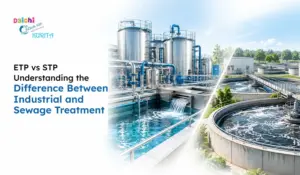
Industrial wastewater often contains suspended solids, chemicals, oils, heavy metals, and other contaminants that require treatment before disposal.
Advanced Wastewater Treatment Solutions remove harmful substances through multiple treatment stages, ensuring discharged water meets regulatory requirements. Many industries also recycle treated water, reducing freshwater consumption and supporting sustainable operations.
Water reuse strategies help businesses lower operational costs while conserving valuable natural resources.
Controlling Industrial Emissions
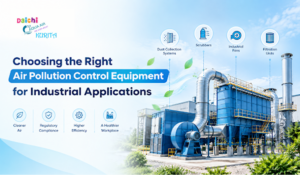
Air emissions generated during manufacturing must also be carefully managed. Dust collectors, scrubbers, filtration units, and gas treatment systems capture pollutants before they are released into the atmosphere.
These technologies reduce environmental impact while helping industries consistently meet emission standards established by regulatory authorities.
Long-Term Financial Benefits
While treatment systems require an upfront investment, the long-term returns often outweigh installation costs.
Organizations benefit through:
- Reduced maintenance expenses
- Lower energy consumption
- Improved equipment lifespan
- Reduced water usage
- Less production downtime
- Lower operating costs
- Improved regulatory compliance
- Greater production efficiency
These financial advantages make treatment technologies an essential part of modern industrial operations rather than simply a compliance requirement.
Industries That Benefit Most
Water and air treatment technologies serve a wide variety of industries with different operational requirements.
Some of the sectors that benefit the most include:
- Manufacturing
- Food and beverage processing
- Pharmaceutical production
- Chemical manufacturing
- Power plants
- Textile industries
- Automotive manufacturing
- Electronics manufacturing
- Healthcare facilities
- Commercial infrastructure
Each facility requires customized treatment systems based on its production processes, water source, air quality requirements, and environmental obligations.
Choosing the Right Treatment Partner
Selecting the right treatment solution involves more than purchasing equipment. Every industrial facility has unique operating conditions that require tailored system design.
An experienced provider evaluates water quality, production requirements, environmental regulations, and future expansion plans before recommending the most appropriate solution.
Customized treatment systems deliver better efficiency, lower operating costs, and more reliable long-term performance compared to generic installations.
Conclusion
Modern industries must balance operational efficiency with environmental responsibility. Water and Air Treatment Solutions provide the foundation for achieving both objectives by improving equipment performance, reducing maintenance costs, conserving resources, and supporting regulatory compliance.
From advanced Industrial Water Treatment Systems and Wastewater Treatment Solutions to efficient Air Pollution Control Systems and Industrial Air Pollution Control technologies, these solutions help businesses operate more sustainably while maintaining consistent productivity. Investing in reliable Environmental Compliance Solutions and modern Water Treatment Systems enables industries to build resilient operations, reduce environmental impact, and remain competitive in an increasingly regulated industrial landscape.
FAQ
Why are Water and Air Treatment Solutions important for industries?
Water and Air Treatment Solutions help industries improve operational efficiency, protect equipment from damage, reduce maintenance costs, enhance workplace safety, and comply with environmental regulations.
How do Industrial Water Treatment Systems improve equipment performance?
Industrial Water Treatment Systems remove impurities, hardness, and dissolved minerals that cause scaling and corrosion. This improves equipment efficiency, extends machinery lifespan, and reduces unexpected downtime.
What industries benefit most from Wastewater Treatment Solutions?
Wastewater Treatment Solutions are widely used in manufacturing, pharmaceuticals, food and beverage processing, chemical plants, power generation, textiles, automotive production, and healthcare facilities to ensure safe water discharge and reuse.
How do Air Pollution Control Systems support environmental compliance?
Air Pollution Control Systems capture dust, fumes, gases, and other airborne pollutants before they are released into the atmosphere, helping industries meet emission standards and reduce their environmental impact.
Can Water Treatment Systems help reduce industrial operating costs?
Yes. Water Treatment Systems improve energy efficiency, minimize equipment maintenance, reduce water consumption through reuse, prevent production downtime, and lower overall operational expenses over the long term.