Introduction
Modern industries depend heavily on water and air resources to maintain production, support equipment performance, and meet environmental responsibilities. Water Treatment and Air Management play a significant role in helping businesses reduce waste, manage resources responsibly, and maintain cleaner operational environments. Whether it is a manufacturing facility, processing plant, commercial building, or industrial unit, proper handling of water and air contributes to long-term sustainability goals. Companies that invest in quality treatment and management systems can reduce environmental impact while maintaining smooth and responsible operations.
Why Water Treatment and Air Management Matter in Modern Industries
Industries across various sectors use large quantities of water and generate emissions during daily operations. Without proper management, these activities can contribute to pollution, resource depletion, and regulatory challenges. Sustainable operational practices focus on reducing waste, controlling emissions, and improving resource utilization.
Water treatment and air management systems help remove contaminants before water is reused or discharged. Air management systems control dust, fumes, gases, and other airborne pollutants. Together, these systems support cleaner production processes and responsible environmental practices.
As environmental standards become stricter, businesses are increasingly investing in systems that help maintain compliance while protecting natural resources.
Water Treatment and Air Management for Resource Conservation
Water scarcity has become a growing concern in many regions. Industrial facilities consume substantial amounts of water for cooling, cleaning, processing, and manufacturing activities. Proper treatment methods allow facilities to reuse water and reduce dependence on freshwater sources.
Similarly, air quality management helps reduce harmful emissions released into the environment. Cleaner air supports healthier workplaces and reduces environmental pollution. By focusing on resource conservation, organizations can manage operational requirements while reducing unnecessary waste.
Long-term sustainability often begins with the responsible management of these two critical resources.
Water Treatment, Air Management and Environmental Responsibility
Environmental responsibility has become a major focus for industries worldwide. Customers, investors, and regulatory agencies increasingly expect organizations to reduce their environmental footprint.
Water treatment helps prevent untreated wastewater from entering rivers, lakes, and groundwater sources. Air management systems help control emissions that can affect surrounding communities and ecosystems.
Businesses that prioritize environmental responsibility often experience stronger public trust and greater confidence from stakeholders. Responsible practices also contribute to cleaner environments for future generations.
Industrial Water Treatment Solutions for Sustainable Operations
Industrial Water Treatment Solutions are designed to improve water quality for specific industrial applications. Different industries require different treatment approaches depending on the quality of incoming water and the intended use.
Treatment systems may include filtration, sediment removal, reverse osmosis, chemical treatment, and biological treatment methods. These processes help remove contaminants that may damage equipment or affect production quality.
Facilities that implement Industrial Water Treatment Solutions can reduce maintenance costs, improve equipment lifespan, and support water conservation initiatives. Recycled water can often be reused in cooling towers, washing operations, and various industrial processes.
Proper treatment also helps organizations comply with wastewater discharge regulations and environmental requirements.
The Importance of Wastewater Treatment Services
Industrial processes often generate wastewater containing chemicals, oils, organic materials, and suspended particles. Releasing untreated wastewater can create environmental concerns and legal complications.
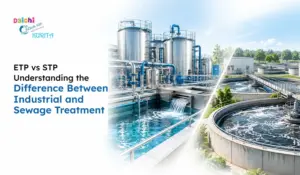
Wastewater Treatment Services help remove pollutants before water is discharged or reused. Treatment facilities use a combination of physical, chemical, and biological methods to improve water quality.
These services support environmental protection while helping industries meet discharge standards established by regulatory authorities. In many cases, treated wastewater can be recycled and used for non-potable applications within the facility.
The growing demand for water conservation has increased the importance of professional Wastewater Treatment Services across multiple industries.
Water Purification and Filtration Systems for Better Water Quality
Maintaining water quality is important for industrial operations, product consistency, and equipment performance. Water Purification and Filtration Systems help remove impurities such as sediments, dissolved solids, microorganisms, and unwanted chemicals.
Filtration technologies vary depending on operational requirements. Some systems focus on removing larger particles, while advanced technologies target microscopic contaminants.
Industries such as pharmaceuticals, food processing, healthcare, and electronics manufacturing often require high-quality water for production purposes. Proper purification systems help maintain operational standards while reducing the risk of contamination.
Investing in Water Purification and Filtration Systems can also contribute to reduced equipment wear and lower maintenance requirements over time.
Air Pollution Control Systems and Their Role in Industry
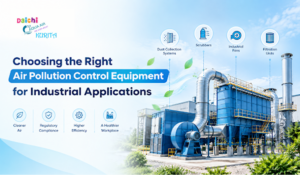
Industrial activities can produce dust, smoke, gases, and airborne particles that affect air quality. Air Pollution Control Systems are designed to capture and reduce these pollutants before they are released into the atmosphere.
These systems may include dust collectors, filtration units, scrubbers, electrostatic precipitators, and emission control equipment. Their primary purpose is to limit pollution while maintaining cleaner work environments.
Facilities that use Air Pollution Control Systems can reduce environmental impact and comply with emission regulations. Proper air quality management also supports workplace safety by reducing employee exposure to airborne contaminants.
As environmental awareness grows, many industries are upgrading their emission control systems to meet modern environmental expectations.
Clean Air Engineering Solutions for Healthier Work Environments
Air quality inside industrial facilities directly affects employee health and workplace conditions. Clean Air Engineering Solutions focuses on controlling airborne pollutants and maintaining proper ventilation throughout facilities.
These solutions often include advanced filtration technologies, air handling systems, and ventilation equipment designed to remove contaminants from indoor environments.
Cleaner air contributes to improved comfort and reduced exposure to harmful substances. Manufacturing plants, processing facilities, laboratories, and commercial buildings all benefit from improved indoor air quality.
Organizations that invest in Clean Air Engineering Solutions often create safer and healthier work environments for employees while supporting environmental objectives.
Environmental Compliance Solutions for Modern Businesses
Meeting environmental regulations is a critical responsibility for businesses operating in industrial and commercial sectors. Environmental Compliance Solutions help organizations monitor, manage, and control environmental performance.
Compliance programs often involve water quality monitoring, wastewater management, emission tracking, reporting procedures, and environmental audits. These activities help businesses remain aligned with local and national regulations.
Failure to comply with environmental standards can result in financial penalties, operational restrictions, and reputational damage. Proper planning and management help organizations avoid these risks.
Many companies rely on Environmental Compliance Solutions to maintain operational stability while demonstrating commitment to responsible environmental practices.
The Connection Between Water and Air Management Systems
Water treatment and air management systems are often interconnected within industrial operations. Many manufacturing processes influence both water quality and air quality simultaneously.
For example, industrial scrubbers use water to remove pollutants from exhaust gases before emissions are released. Cooling systems require treated water and proper airflow to maintain operational efficiency. Wastewater treatment facilities may also require odor control and ventilation systems.
Managing both resources together provides a more comprehensive approach to environmental stewardship. Organizations that coordinate these efforts often achieve better resource utilization and reduced environmental impact.
Integrated management strategies support sustainability objectives while helping businesses maintain operational consistency.
Benefits of Sustainable Water and Air Management
Organizations that invest in proper water treatment and air management systems often experience several long-term advantages.
Lower Operational Costs
Water recycling programs reduce freshwater consumption, while cleaner systems help minimize maintenance requirements and equipment downtime.
Reduced Environmental Impact
Proper treatment and emission control measures help limit pollution and support conservation efforts.
Better Equipment Performance
Clean water reduces scaling and corrosion, while cleaner air helps protect sensitive equipment and machinery.
Improved Workplace Conditions
Employees benefit from cleaner environments that support health, safety, and comfort.
Regulatory Compliance
Organizations can meet environmental requirements more consistently through proper monitoring and treatment systems.
These benefits contribute to sustainable operations while supporting responsible business practices.
Future Trends in Sustainable Resource Management
Industries continue to adopt modern technologies that support environmental performance and resource conservation. Real-time monitoring systems provide continuous information about water quality and air emissions, allowing operators to respond quickly to changing conditions.
Water reuse programs are becoming more common as organizations seek to reduce freshwater consumption. Similarly, advanced filtration technologies are helping facilities improve air quality and reduce emissions.
Digital monitoring tools, automation systems, and resource recovery programs are also becoming more common in environmental management strategies. These developments support cleaner operations and better resource utilization across industries.
As sustainability goals continue to shape business decisions, investment in advanced treatment and management systems is expected to increase.
Conclusion
Sustainable operations depend heavily on responsible resource management, and Water Treatment and Air Management remain a key part of this effort. Proper water treatment helps conserve resources, protect equipment, and support regulatory compliance, while air management systems reduce emissions and maintain healthier environments. By implementing Industrial Water Treatment Solutions, Air Pollution Control Systems, Wastewater Treatment Services, Clean Air Engineering Solutions, Environmental Compliance Solutions, and Water Purification and Filtration Systems, organizations can support long-term sustainability goals while maintaining responsible and environmentally conscious operations.
FAQ
What is Water Treatment and Air Management?
Water Treatment and Air Management refers to the processes and systems used to improve water quality and control air pollution in industrial and commercial facilities. These practices help reduce environmental impact, support regulatory compliance, and maintain safe operational conditions.
Why are Industrial Water Treatment Solutions important for businesses?
Industrial Water Treatment Solutions help remove impurities, chemicals, and contaminants from water used in industrial processes. They support equipment performance, reduce maintenance costs, conserve water resources, and help businesses meet environmental standards.
How do Air Pollution Control Systems help industries?
Air Pollution Control Systems are designed to capture and reduce dust, smoke, gases, and other airborne pollutants generated during industrial operations. These systems help improve air quality, protect worker health, and reduce harmful emissions released into the environment.
What are the benefits of Wastewater Treatment Services?
Wastewater Treatment Services help treat contaminated water before it is discharged or reused. Benefits include environmental protection, regulatory compliance, water conservation, reduced pollution, and improved sustainability within industrial operations.
How do Water Purification and Filtration Systems improve operational efficiency?
Water Purification and Filtration Systems remove sediments, dissolved solids, bacteria, and other contaminants from water. Clean water helps reduce scaling and corrosion in equipment, supports consistent production processes, and lowers maintenance requirements.